





The 2026 World Cup is going to look very different from anything we’ve seen before. After years of planning, FIFA’s long-anticipated expansion is finally here. The tournament will feature the most nations in its history, stretching across three host countries and nearly six weeks of football. It’s a complete overhaul of the format that’s been in place for over two decades. While not everyone is convinced it’ll be better, it’s going to be bigger.
From new knockout stages to the way third-placed teams sneak through, this World Cup comes with a whole new rulebook. There are more groups, more qualifiers, and more layers of tiebreaks than ever before. Even the schedule has shifted to accommodate the expansion. So if you’re wondering how it all works, here’s everything you need to know about the format for the 2026 World Cup.
How Many Teams Are In The World Cup?
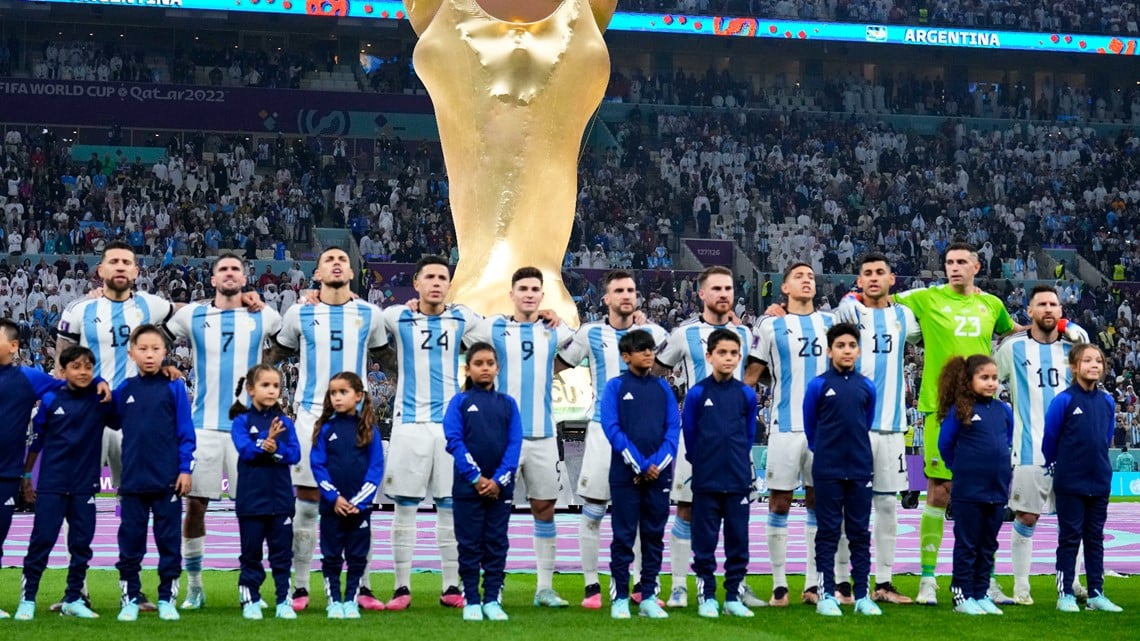
In 2017, FIFA approved a plan for the 2026 World Cup that would see the tournament expand for the first time since 1998. This idea had been in the works as far back as 2013, when then-FIFA President Michel Platini suggested the tournament welcome more nations in response to the sport’s growing popularity outside of Europe and South America. Gianni Infantino also suggested it in 2016, and by the following year, the plans were in place for the biggest expansion in the tournament’s history.
In 2026, 48 teams will take part in the World Cup, 45 of which will qualify through the World Cup qualifiers. Canada, Mexico and the United States will gain automatic qualification as host nations. Each country will play its part in hosting World Cup games in local stadiums. This will see a complete overhaul of the competition’s format with more games, more groups and potentially even more drama.
What Is The New World Cup Format?
An increase in the number of nations means that the group format has been overhauled for the 2026 World Cup. We will now see 12 groups of four teams, instead of the eight groups we have seen in the previous seven renewals. The teams to finish first and second in each group will qualify for a new knockout round: the round of 32. This is because the eight best third-placed teams in the tournament will also progress. It is effectively the same format as the UEFA European Championships, but on a far bigger scale.
The 2026 World Cup will feature more games than ever before, with the total number of matches rising from 64 to 104. Teams that make it to the semi-finals will now play eight games instead of seven, adding even more intensity to an already gruelling campaign. The tournament itself will stretch over 39 days, a slight bump from the 32-day schedule we saw in 2014 and 2018. Despite the expansion, each team will still play three matches in the group stage.
Players selected for the final squads will play their last club matches on May 24, 2026, with clubs required to release them by the following day. Some exceptions apply for those involved in continental finals, who can remain with their clubs until May 30. Interestingly, the combined length of the rest, release, and tournament periods will remain the same as it was for the 2010, 2014, and 2018 editions.
How Are First And Second Place Decided?
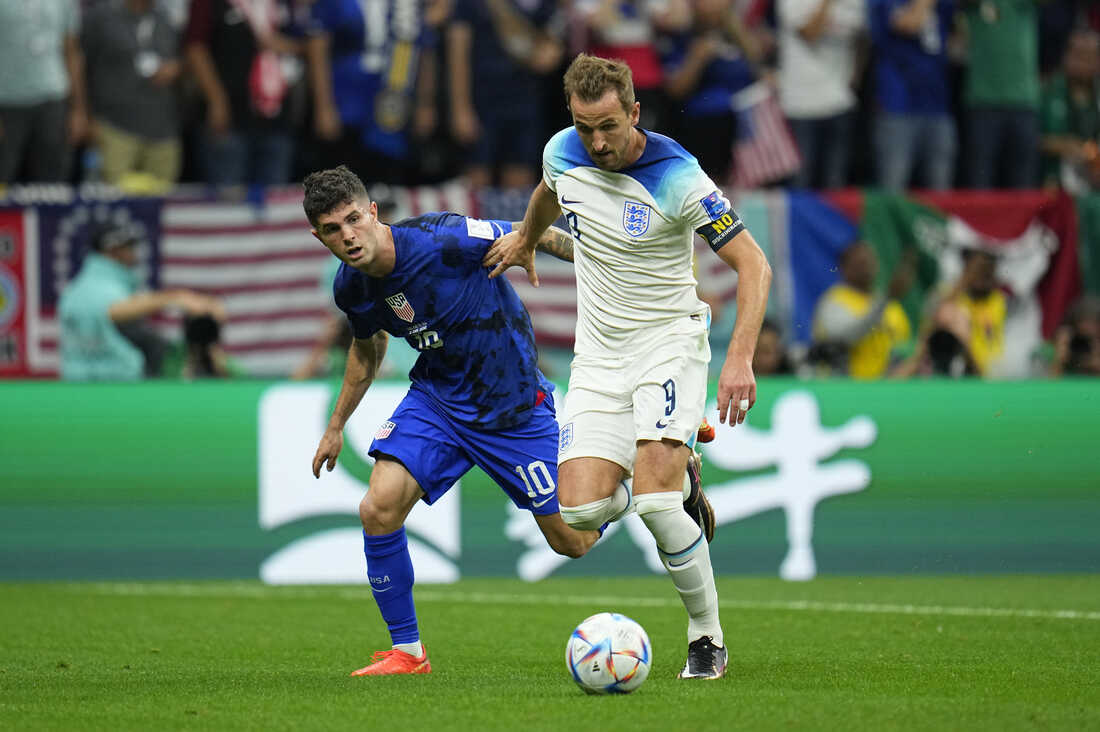
The points system stays the same as always: three for a win, one for a draw, and none for a loss. But when it comes to separating teams on level points, FIFA have kept things fairly detailed in the tiebreak department. As ever, head-to-head results come first. If two or more teams are level, it’ll go to the points they earned in matches against each other. If that doesn’t do the job, they’ll look at head-to-head goal difference, then head-to-head goals scored.
Only after that do the overall group goal difference and goals scored come into play. If there’s still no separating them, the disciplinary record is next (yes, fewer yellow cards can be crucial), and then FIFA’s world rankings.
If that still isn’t enough, they’ll go back to previous rankings and keep doing so until someone comes out ahead. It’s not the simplest system, and yes, some of those steps are a bit pointless when only two teams are involved. But it’s all there to avoid another coin toss situation like back in 1990.
How Are Third-Place Qualifiers Calculated In the World Cup?
The 2026 World Cup will also feature a new method for ranking the best third-placed teams. With 12 groups in play, only eight of the third-placed sides will make it through to the round of 32. FIFA introduced a league-style ranking system to determine who goes through.
Teams are ranked the same as they would if teams finish on the same points in first and second. That means points first, then goal difference, goals scored and disciplinary record. The world rankings method is then used if they cannot be split, just like they would in first and second.
That means we could see a situation where a team finishes fourth in their group but still earns more points than a third-placed side that advances. It happened to Ukraine at Euro 2024, and it could happen again. There’s no workaround; those are just the rules, and some teams will fall victim to them.
What Are The World Cup Groups?
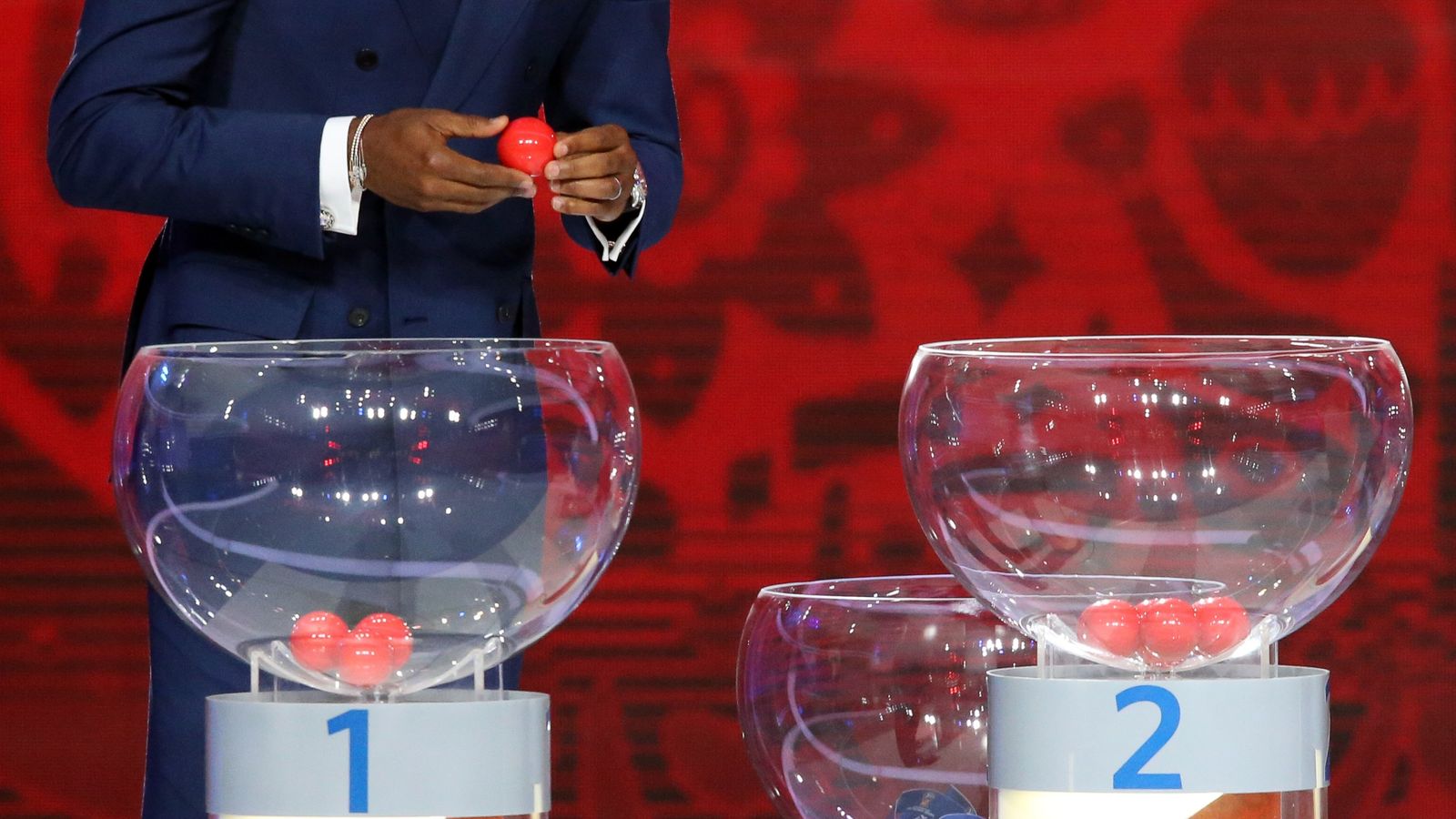
The World Cup groups have not been announced at the time of writing, with qualification still ongoing for some countries. However, that does not mean we are completely out of the loop. Host nations Canada, Mexico and the US have already entered, having automatically qualified. They are filtered into groups A, B and D, respectively. Football betting predictions have the host nations as outsiders to lift the trophy, but we have seen long runs before.
The official World Cup Groups will be announced in December. Teams that have qualified enter four different pots based on their ranking before the random draw. The only rule is that teams from the same coefficient cannot be in the same group, except Europe, where there must be no more than two per group. The pots are decided as follows:
- Pot 1: The nine best-ranked qualifying teams, plus the three host nations
- Pot 2: The next best-ranked 12 teams
- Pot 3: The next best-ranked 12 teams after Pot 2
- Pot 4: The six lowest-ranked teams, plus the two inter-confederation play-off winners and the four UEFA play-off winners
When Does The World Cup Start?
The 2026 World Cup will officially kick off on June 11 and run through to July 19, making it the longest tournament in the competition’s history. That’s 39 days of non-stop football, played across three countries and multiple time zones. It’s a small but significant jump from the 32-day tournaments we saw in 2014 and 2018, but with the increase in teams and games, it was always going to stretch the calendar.
The final will be held on July 19. That is almost a full week later than the 2014 and 2018 editions. That extra time gives organisers room to breathe between fixtures, and more importantly, ensures players aren’t being run into the ground. Each team will still play just three group stage matches, but the extra knockout round adds another layer of drama, and another step on the road to glory. This is a new-look World Cup with a new schedule to match. Two-time winners France are the favourites to win the competition according to World Cup betting odds, but this new format could shake it all up!
World Cup 2026 Important Dates
- November 16th-18th, 2025: Final World Cup Qualifying matches (Matchday 10)
- December 2025: World Cup Groups announced
- March 2026: Inter-confederation play-offs for the final two spots
- June 11th-27th 2026: World Cup Group Stages
- June 28th-July 3rd, 2026: Round of 32
- July 4th-7th, 2026: Round of 16
- July 9th-11th, 2026: Quarterfinals
- July 15th-15th, 2026: Semifinals
- July 18th 2026: Third-place playoff
- July 19th 2026: Final