







The 2026 FIFA World Cup is less than a year away, making next season crucial for deciding who gets to represent their nation on the world stage. Thousands of players will be hoping to impress their national managers and make it onto the plane to North America next summer. Make sure to stay tuned throughout the year for detailed World Cup coverage and our best soccer predictions!
The tournament will be hosted by three nations: the United States, Canada, and Mexico. Sixteen cities will welcome hundreds of thousands of attendees between June 11th and July 19th. We have arranged a list of every stadium from largest to smallest. Let’s take a look at the 2026 FIFA World Cup Stadiums.
Estadio Azteca – Mexico City, Mexico
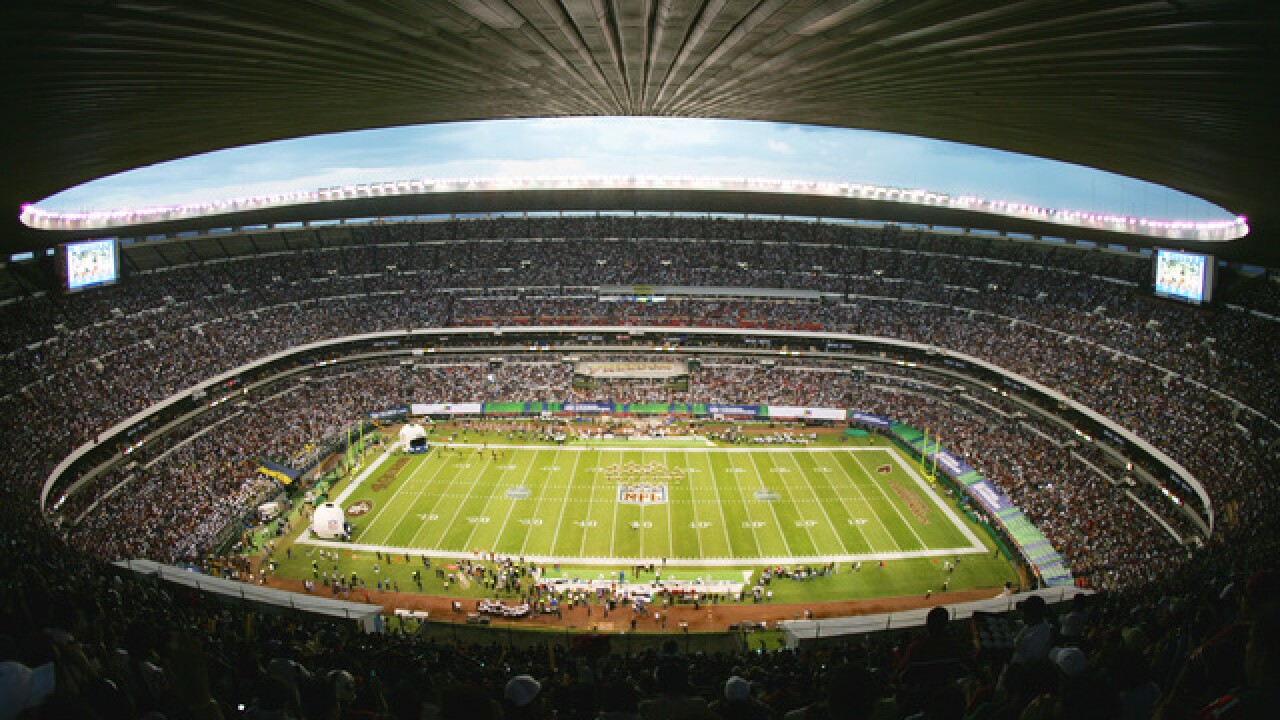
With a capacity of 87,523, Estadio Azteca is Latin America’s largest stadium. It is also one of the most iconic venues in the world. Home to Club América, the Azteca has hosted two FIFA World Cup finals (1970 and 1986). It is the only stadium to do so. Legends like Pele and Maradona lifted the trophy here, with Maradona also scoring both the “Hand of God” and “Goal of the Century” on this pitch.
It also staged the “Game of the Century”, Italy’s 4–3 extra-time win over West Germany in 1970. Located in the culturally rich district of Coyoacán, the area around the stadium offers leafy plazas, colonial architecture, and a relaxed contrast to Mexico City’s bustle.
MetLife Stadium – East Rutherford, New Jersey
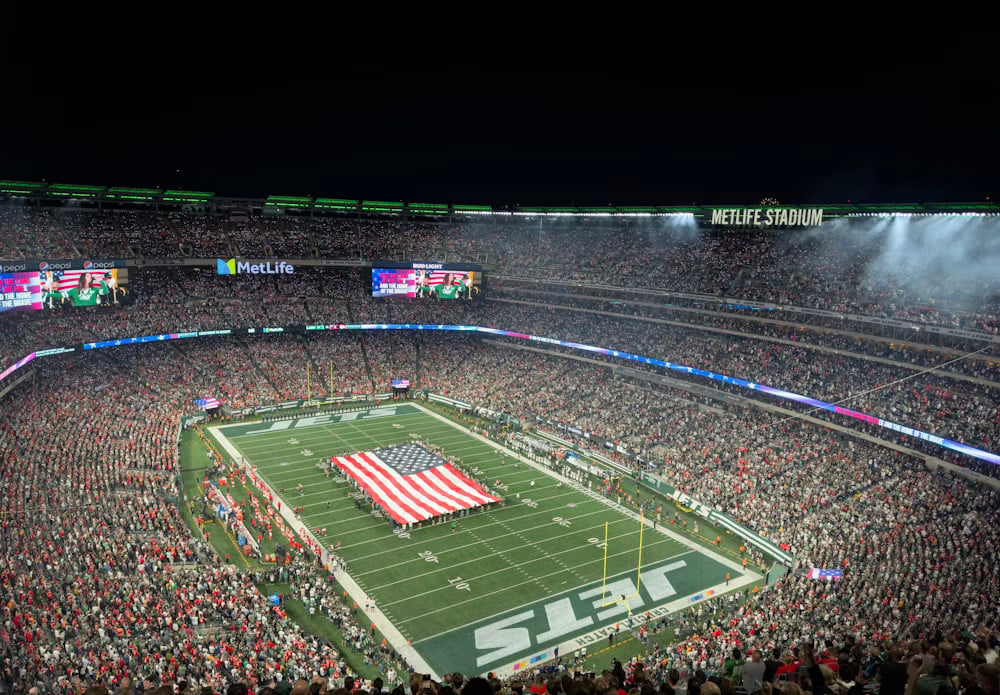
MetLife Stadium will host the 2026 World Cup final and boasts a capacity of 82,500, making it the largest venue in the US. Home to the NFL’s Giants and Jets, it was the most expensive US stadium ever built at $1.6 billion.
Soccer history includes the FIFA Club World Cups in 2025 and 2024, the 2016 Copa America, and the 2011 and 2015 Gold Cups. It has also hosted major European clubs like Real Madrid and Barcelona. Just across the Hudson from Manhattan, fans can enjoy New York City’s cultural offerings. This will be the place to be come July 19th 2026, when we could see international football giants and soccer betting favourites such as France, Spain, and Brazil take to the field for the final.
AT&T Stadium – Arlington, Texas
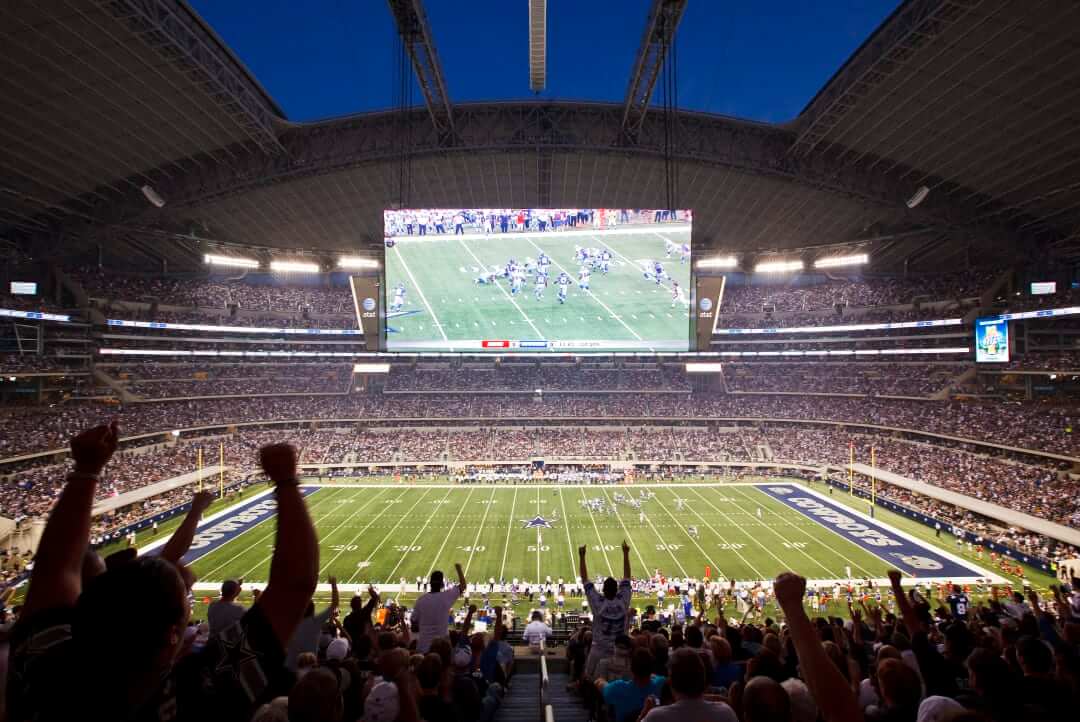
AT&T Stadium, home of the Dallas Cowboys, seats 80,000 but can expand to over 100,000 with standing room, making it the largest stadium in the NFL. Since opening in 2009, it has hosted numerous major soccer events, including multiple Copa America and Gold Cup matches. It’s also the site of top college football games like the Cotton Bowl Classic and the Big 12 Championship.
Located between Dallas and Fort Worth, Arlington offers visitors access to Globe Life Field (home to the Texas Rangers) and Six Flags Over Texas. The city is a hub for sports and entertainment, making it an ideal World Cup destination.
Arrowhead Stadium – Kansas City, Missouri
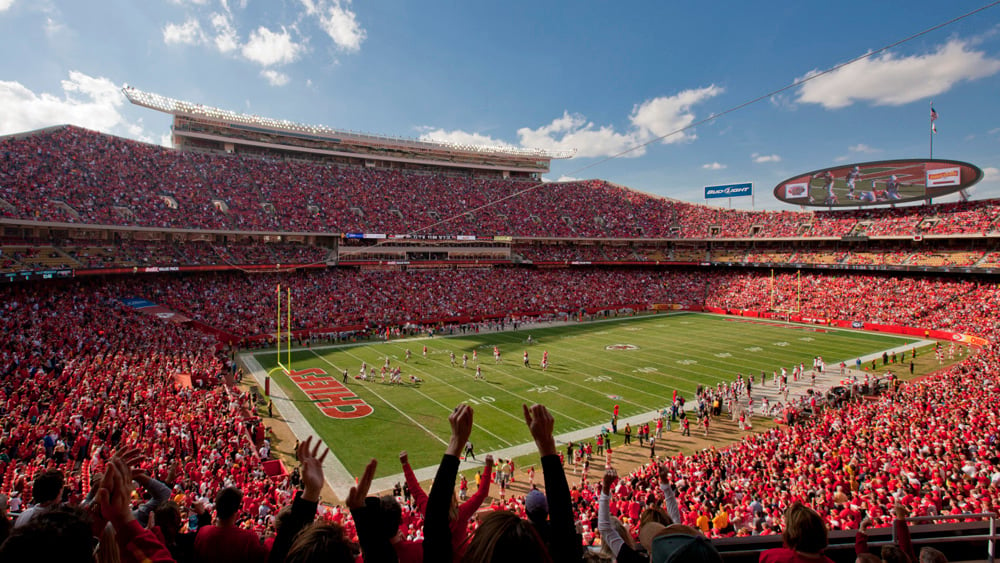
Arrowhead Stadium, with a capacity of 76,416, is famed for its deafening atmosphere, holding the Guinness World Record for the loudest stadium. Built in 1972, it is one of the NFL’s oldest and most intimate venues. It briefly hosted MLS side Kansas City Wizards (now Sporting KC) from 1996 to 2007 and has seen just four soccer games since. Its World Cup inclusion marks a major return for international soccer.
Kansas City, known as the “Heart of America,” is a cultural gem with a thriving soccer fanbase, iconic barbecue, and jazz heritage. It boasts attractions like the Power & Light District and the National WWI Museum.
NRG Stadium – Houston, Texas
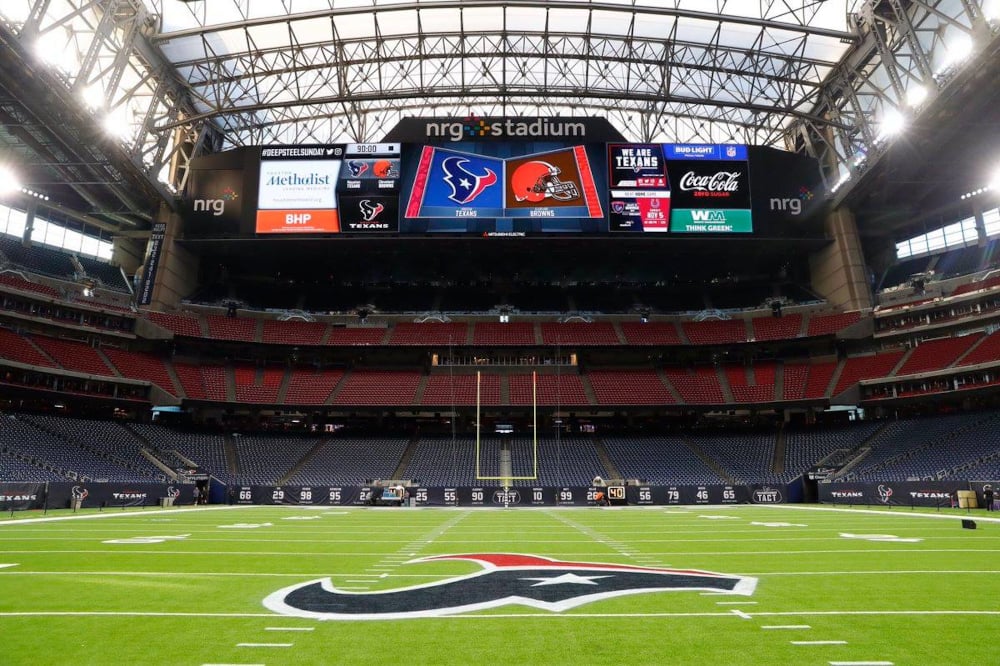
The NRG Stadium is the home of the Houston Texans in the NFL, seating over 72,000 fans. NRG has over 20 years of history in soccer, hosting matches since 2005 for the Gold Cup and Copa America, major MLS games and finals, and even some home games for the Mexican national team.
Houston is the biggest city in Texas with a population of 2.3 million residents. Home to NASA and the Houston Space Center, the Bayou City is a hub for scientific advancements and space exploration, as well as offering some fantastic brisket and BBQ.
Mercedes-Benz Stadium – Atlanta, Georgia

Opened in 2017, Mercedes-Benz Stadium is a state-of-the-art venue with a retractable roof and a capacity of 71,000. Home to MLS team Atlanta United and the NFL’s Atlanta Falcons, it has set multiple attendance records for US soccer. The stadium hosted the 2018 MLS Cup final and the 2023 US Open Cup final.
Known for its giant circular video board and fan-friendly amenities, it’s located in downtown Atlanta. It is close to landmarks like Centennial Olympic Park and the College Football Hall of Fame. Atlanta’s strong soccer support and modern infrastructure make it a key 2026 host.
SoFi Stadium – Los Angeles, California
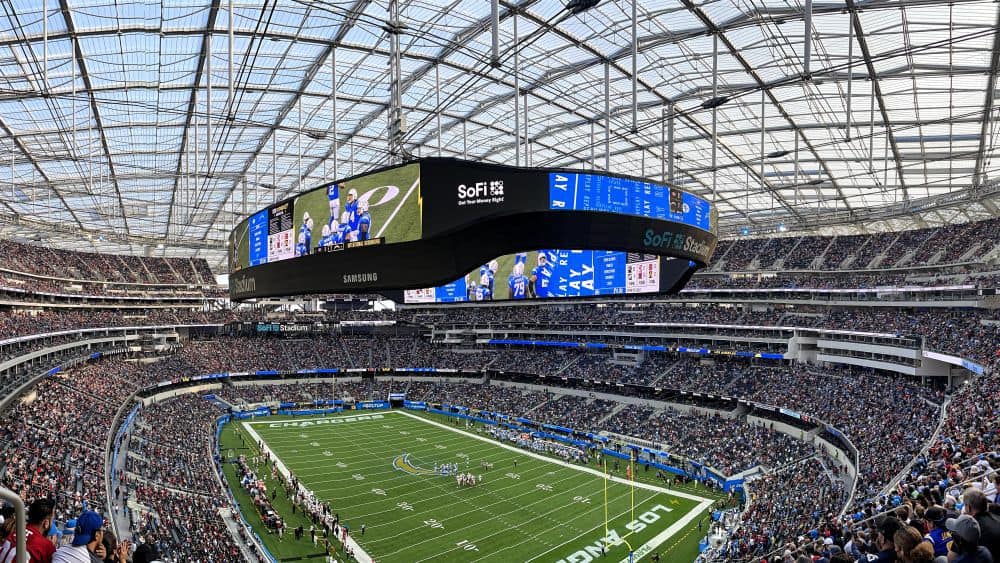
SoFi Stadium in Inglewood is one of the newest and most high-tech venues in the world. With a capacity of 70,000, we could see it expanded to 100k for the World Cup. Opened in 2020, it is home to the NFL’s Rams and Chargers and has already hosted elite friendlies, like Real Madrid vs. Juventus and the 2023 CONCACAF Gold Cup final.
Its cutting-edge design and location in greater Los Angeles ensure a world-class fan experience in one of the sport’s biggest US markets. Host nation, the US, will play two of their three group games at SoFi and will be hopeful of upsetting our online sportsbook’s pre-tournament odds of 33/1.
Lumen Field – Seattle, Washington

Lumen Field is one of the most atmospheric stadiums in the US, with a capacity of 68,740. It’s the home of Seattle Sounders FC, one of MLS’s most successful and well-supported clubs. Lumen Field has hosted Gold Cup and Copa America games.
Known for its electric fanbase and dramatic views of the Seattle skyline, the stadium also houses the NFL’s Seattle Seahawks. Seattle is a tech-driven city with strong environmental values, excellent public transport, and a buzzing food and coffee scene.
Levi’s Stadium – Santa Clara, California
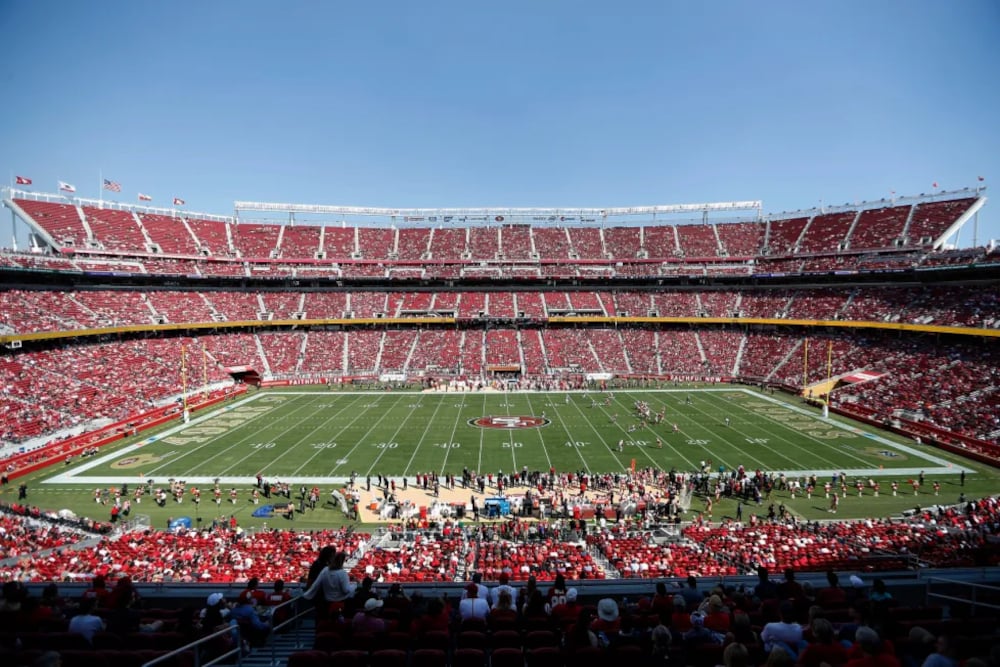
Levi’s Stadium, with a capacity of 68,500, is the home of the NFL’s San Francisco 49ers. Since opening in 2014, it has hosted major soccer events, including the 2016 Copa America Centenario and multiple international friendlies.
Located in the heart of Silicon Valley, the stadium features cutting-edge green technology and fan-first design. Santa Clara offers easy access to San Francisco and San Jose, making it a gateway to California’s tech and cultural capitals.
Lincoln Financial Field – Philadelphia, Pennsylvania

With a capacity of 67,594, Lincoln Financial Field is home to the NFL’s Eagles and has hosted soccer events like the Gold Cup and the 2016 Copa America. It’s a regular stop for top international teams and summer friendlies featuring Europe’s biggest clubs.
Situated in the historic city of Philadelphia, the stadium is near iconic landmarks like Independence Hall and the Liberty Bell. The city’s rich sports culture, passionate fans, and historical charm provide a unique backdrop for the World Cup.
Hard Rock Stadium – Miami Gardens, Florida

Hard Rock Stadium seats 65,000 and has hosted major soccer matches, including the 2024 Copa America final, multiple Gold Cups, and top-tier club friendlies. Home to the NFL’s Miami Dolphins, it has undergone major renovations to enhance the fan experience.
Its location in Miami Gardens places it within reach of Miami’s beaches, nightlife, and Latin American-influenced culture. The city’s strong ties to global football and vibrant community make it a perfect southern US hub for the tournament.
Gillette Stadium – Foxborough, Massachusetts
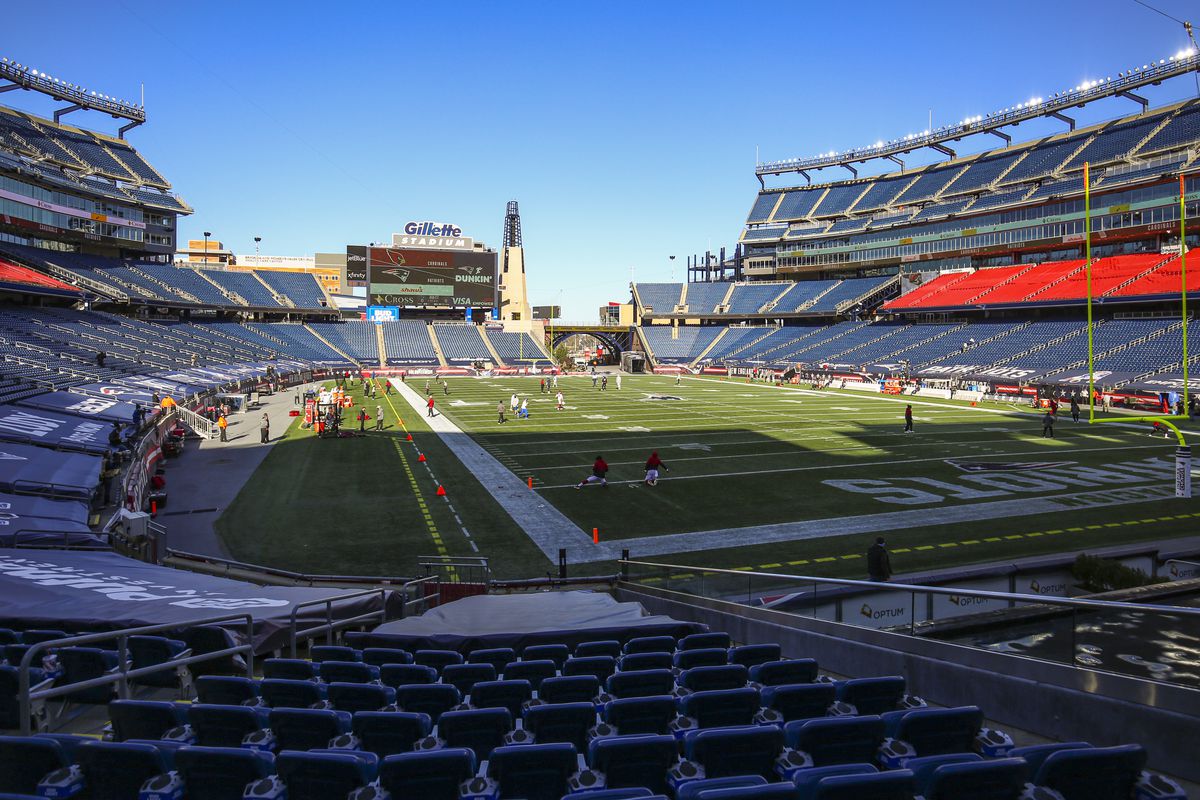
Gillette Stadium holds 65,878 and is home to the New England Patriots and New England Revolution. Located between Boston and Providence, it’s hosted Gold Cups, World Cup qualifiers, and top-level friendlies. The venue has been central to soccer in the Northeast for decades.
While Foxborough itself is suburban, easy transit links make Boston’s rich history and culture accessible to fans. As one of the most established soccer venues in the US, Gillette offers both tradition and strong infrastructure.
BC Place – Vancouver, British Columbia
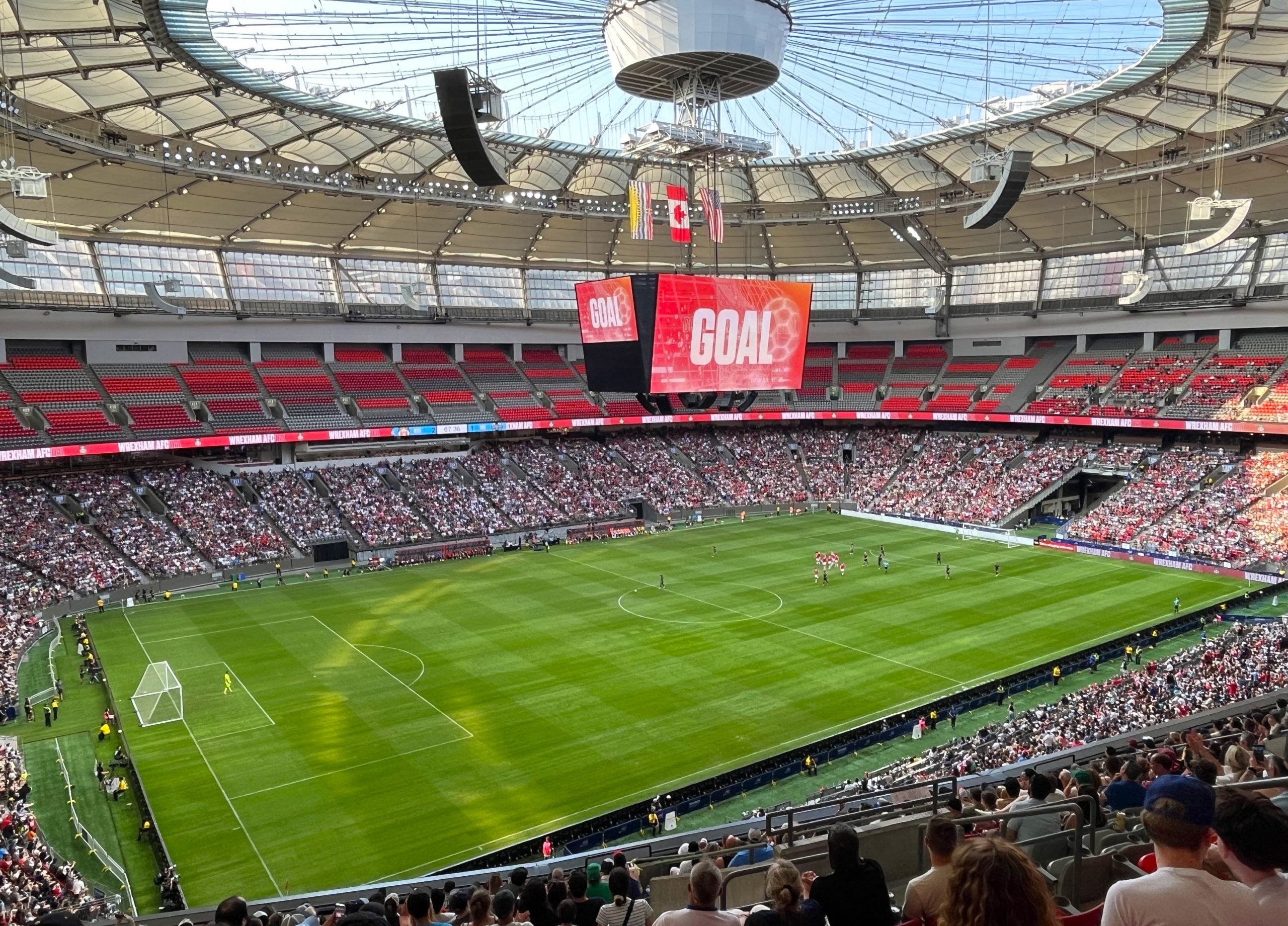
BC Place is one of Canada’s premier sporting venues, with a capacity of 54,500 and a retractable roof. Home to the Vancouver Whitecaps FC, it has hosted the 2015 Women’s World Cup final and numerous CONCACAF Gold Cup matches.
Its downtown location offers stunning views and access to one of North America’s most scenic cities. Vancouver’s multicultural identity, proximity to nature, and established soccer fan base make BC Place an exciting and scenic World Cup venue.
Estadio BBVA – Guadalupe, Monterrey
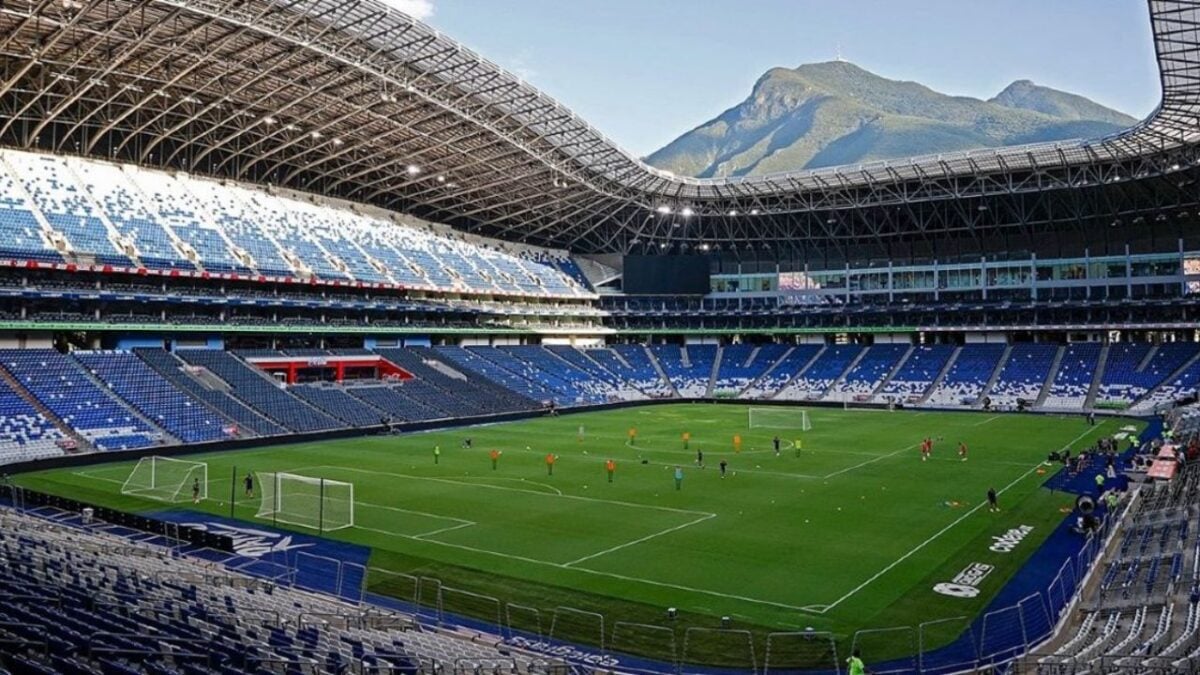
Estadio BBVA is one of Mexico’s most modern stadiums, opened in 2015 and seating 53,500. Home to C.F. Monterrey, it has hosted international friendlies, CONCACAF Champions League finals, and 2023 Gold Cup matches.
Nestled near the Sierra Madre mountains, the stadium is known for its sleek design and spectacular views. Monterrey is a thriving industrial hub with a huge soccer culture and a passionate local fanbase, ensuring a vibrant matchday experience.
Estadio Akron – Zapopan, Guadalajara

Located just outside Guadalajara, Estadio Akron holds 48,071 fans and is home to Mexican giants Chivas. Built in 2010, it’s hosted the 2011 Pan American Games, the 2023 Gold Cup, and numerous Liga MX finals. It has a distinctive bowl-shaped design and remains a fantastic venue for live sport.
Guadalajara, one of Mexico’s cultural capitals, blends tradition with modernity, offering mariachi music, tequila distilleries, and colonial architecture. Estadio Akron will be a key location for fans wanting a deeper taste of Mexican heritage and football passion.
BMO Field – Toronto, Ontario

Canada’s most prominent soccer stadium, BMO Field, is home to Toronto FC and has a capacity of 45,736 following recent expansion for the World Cup. It hosted games in the 2015 Pan Am Games, the 2023 CONCACAF Gold Cup, and regularly stages Canadian national team matches.
Located by Lake Ontario, the stadium offers stunning views and is close to Toronto’s vibrant downtown. The city is one of the world’s most multicultural metropolises. It boasts a thriving food scene, global communities, and deepening soccer roots.