
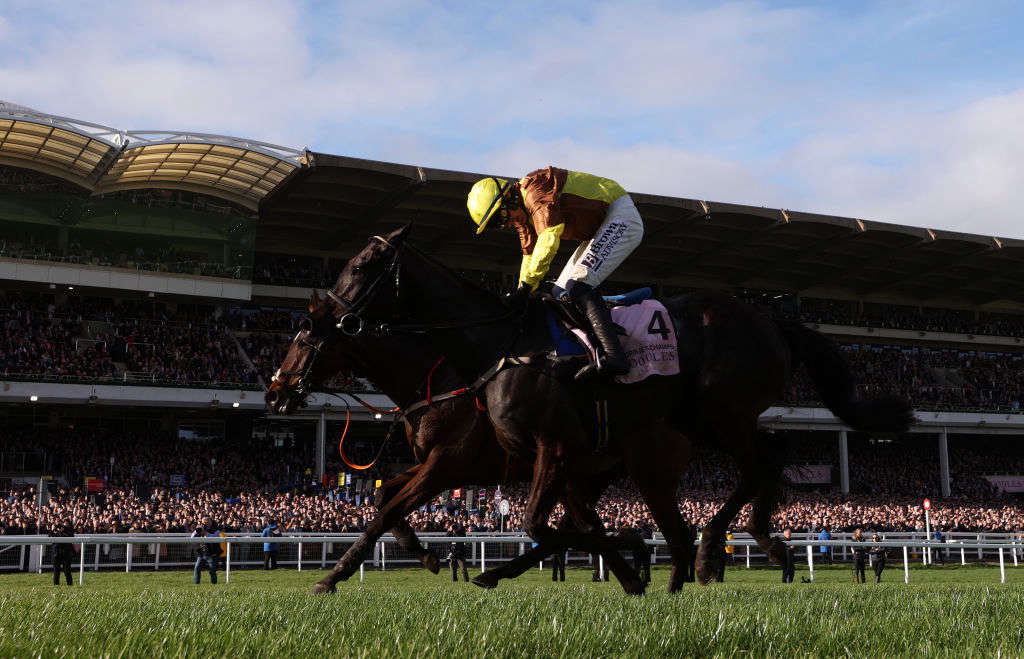

The Cheltenham Festival is one of the most exciting meetings on the calendar of every race fan. It is widely regarded as the pinnacle of the National Hunt season and one of the most anticipated events in British sport. Held annually at Cheltenham Racecourse, the Festival brings together the very best hurdlers, chasers and staying horses for four days of elite competition.
Its origins date back to the 19th century, with organised jump racing in Cheltenham recorded as early as 1815. The Festival gradually evolved into a championship meeting, and by the early 20th century, it had become firmly established as the home of the most prestigious contests in National Hunt racing. Today, it is not just a sporting event but a cultural occasion, famous for its electric atmosphere, the “Cheltenham Roar” that greets the first race on Tuesday, and the intense rivalry between British and Irish runners.
Cheltenham Festival History
Over the decades, the Festival has grown in stature and scale. What began as a smaller meeting has developed into a global showcase, attracting the best runners, owners, and spectators from around the world.

The Anglo-Irish Rivalry
A central theme in the modern history of the Festival is the fierce rivalry between British and Irish trainers. While the English dominated the early years of the event, Ireland is making a spirited comeback. In recent years, Irish stables, led by figures such as Willie Mullins and Gordon Elliott, have enjoyed significant success, often dominating the winners’ board. While many of us will wonder how many Irish winners at the Cheltenham Festival this year, the rivalry is very much alive and well.
This competition adds an extra layer of narrative to the week, with national pride at stake alongside prize money and prestige. Each year, the battle for top trainer and leading jockey honours is followed as closely as the championship races themselves.
Legendary Runners
By design, Cheltenham is where legends are created. As the most lucrative and anticipated National Hunt meeting, winners are etched in history. However, some are remembered more fondly. In recent history, the likes of Galopin Des Champs and Quevega have endeared themselves to race fans at the meeting.
Quevega, trained by Willie Mullins, became one of the Festival’s most beloved stars by winning the Mares’ Hurdle an extraordinary six times between 2009 and 2014. Galopin Des Champs has written his own chapter in Festival folklore with dominant victories in the Cheltenham Gold Cup. That established him as one of the leading staying chasers of the modern era, and he will bid for a third at the 2026 Cheltenham Gold Cup.
Looking further back, the Festival’s history is filled with iconic champions. The legendary Arkle redefined steeplechasing in the 1960s, while Golden Miller set a record of five Gold Cup victories between 1932 and 1936. More recently, Best Mate captured the imagination of racing fans by winning three consecutive Gold Cups from 2002 to 2004. These horses, along with many others, have helped shape the identity of the Cheltenham Festival.
When is the Cheltenham Festival?
The Cheltenham Festival begins on Tuesday, March 10, in 2026. The Festival traditionally takes place during the second week of March each year at Cheltenham Racecourse in Gloucestershire, England. It runs from Tuesday through Friday and is the most prestigious meeting in the National Hunt racing calendar, attracting the leading horses, trainers and jockeys from Britain and Ireland. You can lock in your predictions for the Cheltenham Festival now with our online betting site.
How many days is the Cheltenham Festival?
The Cheltenham Festival lasts four days, beginning on a Tuesday and ending on a Friday in March. The four-day format has been in place since 2005. Prior to that, the Festival was a three-day event, running from Tuesday to Thursday. The expansion reflected the growing popularity of National Hunt racing and allowed for a broader race programme, including additional Grade 1 contests. The change also helped accommodate increasing attendance, which now regularly exceeds 250,000 across the week.
How many races are at Cheltenham Festival?
There are 28 races at the Cheltenham festival, with seven taking place on each of the four days. The programme is carefully structured to balance championship contests, novice events, handicaps, and staying races. Each day features at least one Grade 1 highlight, with marquee events such as the Champion Hurdle, Queen Mother Champion Chase, Stayers’ Hurdle, and Cheltenham Gold Cup headlining their respective cards. The seven-race daily format has been in place since the move to four days in 2005, ensuring a consistent schedule and maintaining competitive depth throughout the week. If you are betting on the races this year, stay tuned for our horse racing predictions on all the biggest events.
Why is the Cheltenham Festival so important?
The Cheltenham Festival is important because it represents the ultimate test in National Hunt racing. For owners, trainers and jockeys, success at Cheltenham defines careers. Winning one of the championship races, like the Gold Cup or Champion Hurdle, cements a horse’s place in racing history.
The Festival also serves as the definitive championship meeting of the jumps season. The best British and Irish horses are deliberately trained with March in mind, meaning the strongest fields of the year come together in direct competition. The Anglo-Irish rivalry adds another compelling dimension, with Irish-trained runners frequently dominating in recent years, intensifying national pride and competition.
What is the “Cheltenham Roar”?
One of the defining traditions of the Festival is the “Cheltenham Roar.” As the starter lets the runners go in the opening race on Tuesday, a thunderous cheer erupts from the packed grandstands. Attendance across the four days regularly exceeds 250,000, with Gold Cup Day drawing the largest crowd. The atmosphere combines high-stakes sport with social occasion, making it as much a cultural event as a racing one.
What is the Cheltenham dress code?
While there is no official dress code at Cheltenham, many racegoers often dress for the occasion. Ladies’ Day is often where we see the most extravagance, dedicated to female racegoers who light up the grandstand with bold colours and statement accessories.
Unlike a lot of events, which are known for their tailored suits and lavish style, Cheltenham draws a more countryside aesthetic. Practicality is the style with many attendees prepared for the British weather in layered waterproofs, scarves and boots. The fashion of Cheltenham is another thing that makes the festival so special.