
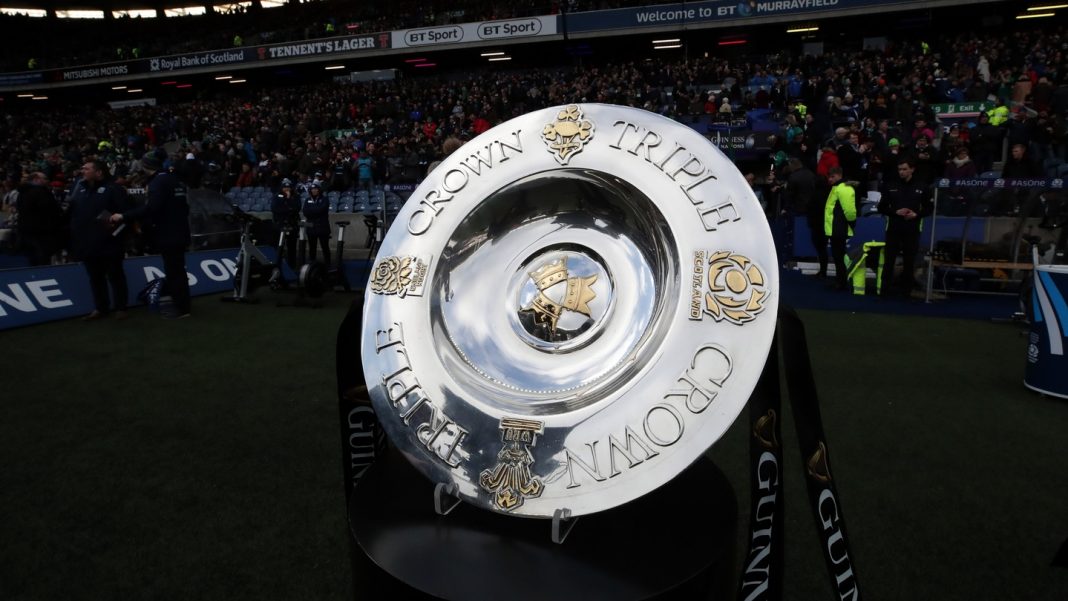

The Triple Crown is a trophy contested each year in the Six Nations Championship between the four “Home Nations”. That means each year England, Ireland, Scotland, and Wales have the chance to claim this illustrious prize. It is awarded to any one of these teams that beats the other three in the same tournament.
This makes the Triple Crown a prize within a prize. While the Six Nations title is the ultimate goal, winning the Triple Crown is a mark of dominance over traditional rivals and a source of huge national pride. The fierce sporting rivalries between the home nations, particularly with England, mean that the Triple Crown is sometimes just as important as winning the tournament.
The rarity of the feat adds to its prestige. With only three matches deciding its fate, a single mistake can end a team’s hopes. Even some of the highest paid rugby players have slipped up when contesting it. The Triple Crown remains a unique, fiercely contested piece of rugby history.
When is the Triple Crown contested?
The Triple Crown is contested during the Six Nations tournament, held annually. That means we get to see potential Triple Crown winners every year. Each of the four Home Nations plays the other three once per tournament, so there are always six possible Triple Crown deciders spread across the schedule. If one nation wins all three of those matches, they claim the Triple Crown, regardless of their results against France or Italy.
This makes certain fixtures extra special. For example, a late clash between England and Ireland can often double as both a title decider and a Triple Crown showdown. Because the tournament runs from early February to mid-March, fans get several weeks of anticipation as results unfold and the picture becomes clear.
How many times has the Triple Crown been won?
There has been a Triple Crown winner in 72 of the 129 competitions held from 1883 through to 2025. In modern rugby, bragging rights have been difficult to capture as teams like Wales and Ireland entered golden ages. However, more often than not, we see the shield lifted.
This shows that while winning the Triple Crown is a significant achievement, it is not an impossible one. Fans can usually expect to see at least one nation claim it every couple of years. That adds an extra storyline to the Six Nations beyond the overall title. Its relatively frequent appearance keeps it relevant, but its difficulty still makes it a proud moment whenever it is achieved. The rarity of a clean sweep ensures that when it does happen, it feels like a genuine marker of superiority among the Home Nations. Ireland and England are deadlocked in the Six Nations betting to life the Triple Crown next year.
Who has won the Triple Crown the most?
England is the most successful nation in Triple Crown history, having lifted the trophy 26 times. Their dominance has spanned every era of the competition, from the original Home Nations through to the modern Six Nations, with particularly strong periods in the 1990s and early 2000s.
Wales sit second with 22 Triple Crown victories. Many of those came during their golden eras of the 1970s and late 2000s. Ireland is third with 14 Triple Crowns, but has been the form side in recent years, claiming multiple titles since 2018 as part of their rise to one of the world’s top rugby nations. Scotland has won the Triple Crown 10 times. Their most memorable streak came in the 1980s and 1990s when they twice backed it up with Grand Slam victories.
Triple Crown vs Grand Slam
While the Triple Crown is one of the most historic honours in rugby, it is often mentioned in the same breath as the Grand Slam. However, the two are very different achievements. The Triple Crown is contested only between England, Ireland, Scotland, and Wales. It is awarded to any one of them who beats the other three in a single Six Nations campaign.
The Grand Slam, on the other hand, is a much broader challenge. It requires a team to win all five of their matches in the Six Nations, regardless of which country they face. That means France and Italy, who are not eligible for the Triple Crown, can still claim a Grand Slam.
In short, every Triple Crown winner has beaten three Home Nations, but not every Triple Crown winner is a Grand Slam champion. The two achievements can overlap. When a Home Nation wins the Grand Slam, they automatically secure the Triple Crown along the way.
Conclusion
The Triple Crown remains one of rugby’s most enduring and meaningful prizes. Its appeal lies in the fact that it is both fiercely contested and narrowly focused. It is a battle for bragging rights among the four oldest rugby nations. The prize adds a unique layer of drama to the Six Nations. It creates subplots that keep fans engaged even when the overall championship race might be out of reach.
What makes the Triple Crown so special is the history and rivalry it represents. Matches between England, Ireland, Scotland, and Wales are never just about points on a table. They are about pride, identity, and tradition. That is why a Triple Crown triumph is celebrated so passionately by players and supporters alike.
In the modern game, where rugby continues to evolve, the Triple Crown stands as a reminder of the sport’s roots and the battles that have defined Northern Hemisphere rugby for nearly a century and a half.