





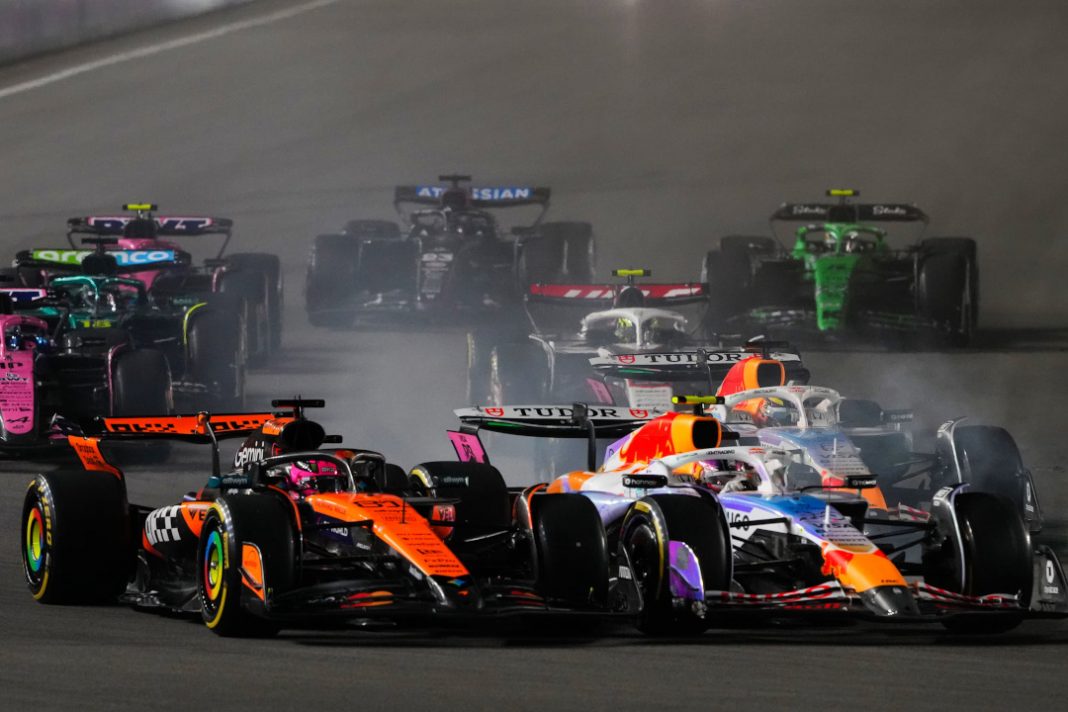

Formula 1 is often considered the pinnacle of motorsport. It has produced countless thrilling and iconic moments over the years, including title fights that go down to the wire and crashes that changed the season. F1 is one of the few sports where there seems to be as much drama off track as there is on it, but things have changed. While viewing figures remain high, many fans are sharing their distaste for the lack of overtaking and good coverage. This got us wondering: Is Formula 1 on the decline?
What Has Happened to F1?
Every few years, the governing body of Formula 1, the FIA, decides to rip up the rulebook. This is supposed to spice up the pecking order as teams change their cars drastically to fit a new set of protocols. Whether it’s redesigns for the car, changes to the budget, or forcing teams to reuse parts to reduce the carbon footprint of the sport, F1 has seen it all. However, have these changes harmed the spectacle?
Without any shadow of a doubt, the answer must be yes. Cars have become wider than in previous seasons, meaning overtaking zones are now at a premium. There is a dwindling number of F1-level tracks that can accommodate these elite machines. Racetracks like Monaco used to be the crown jewel in the F1 season, but now scream of a lacklustre procession.
The changes go beyond the size of the cars, as advancements have been made to perfect the tyres used in motor racing. While the intentions were good, primarily being safety and the environment, the result is a rigid formula that most teams have down to a tee. The predictability and performance of the tyre mean drivers spend more time saving rubber than burning it. Strategists lead drivers to get the most out of the set instead of racing and making up places, even when there are three compounds in play.
There are further issues with the coverage. Last-lap battles are being ignored to show the leader cross the line 10 seconds ahead of second place. In fact, during the race, the TV director will rarely cut to anyone outside of a McLaren, Ferrari, or Red Bull, even if they are fighting for position and the leaders are not. However, there is an elephant in the room. The recent decline of F1 can be attributed to the 2021 season.
What Happened in the 2021 F1 Season?
Formula 1 is a sport with a rich history of defining moments. However, the most significant came in 2021. This unforgettable season had the race director play more of a part in the race than ever. The only equivalent we can think of is in wrestling, where entertainers like Vince McMahon rip up the script to give the fans exactly what they want. However, this led to a season finale that changed the sport’s direction.
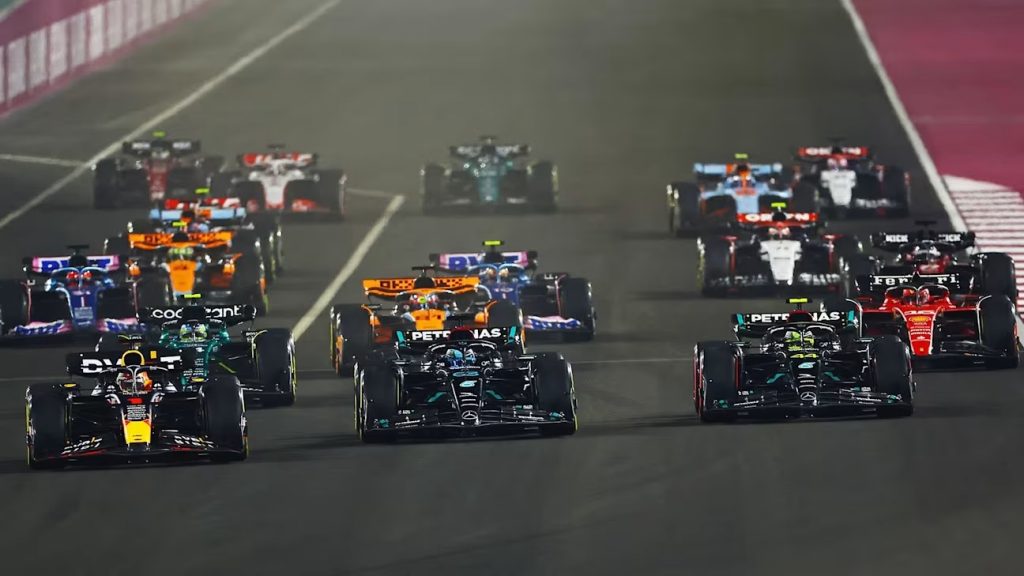
It was the season finale in Abu Dhabi, and Lewis Hamilton and Max Verstappen entered the last race of the season level on points. It was a case of the winner takes it all as Verstappen lined up on pole position. The race played out in Hamilton’s favour as he enjoyed a comfortable lead with seven laps to go. A late safety car threatened things, but with five lapped cars between the championship rivals, it seemed fans were doomed to miss out on a shootout, as there were not enough laps in the race to let every car through.
Queue Michael Masi, race director. He made the brilliant decision to let the five lapped cars through and then immediately restart the race to give the fans a crazy finish. Truthfully, this move was unfair as Max had pitted for fresh tyres and Lewis stayed out to maintain track position on used hard tyres. This allowed Verstappen to overtake the Mercedes driver on the last lap of the final race of the season, sealing an unforgettable win. Unfortunately for F1 fans, the fallout from the spectacle has not been good.
How did F1 React to the 2021 Season?
The reaction of the governing body after the event was poor. In 2022, a report into the proceedings noted, the “Race Director called the safety car back into the pit lane without it having completed an additional lap as required by the Formula 1 Sporting Regulations”. Effectively, this statement laid the blame entirely on Masi, who was removed from his role. To further compound the issue, one man’s job was split into three as Niels Wittich, Eduardo Freitas, and Herbie Blash took over. This means we will never see direct involvement from a race director like we did in 2021 ever again.
While many will argue that it is a good thing, it’s certainly an enormous blotch on the FIA, one they are yet to recover from. Races since then have seen no direct communication with the race director. Often, decisions are made during races in a poor or costly manner. Recent examples include penalties coming several laps after the incident or cars waiting too long in the pit for the track to dry out.
The problem is that while fans do not want to see manufactured drama like the end of the 2021 season, it did give everyone something to talk about. Which is exactly what the sport is lacking. They have tried to spice things up by adding or changing the DRS zones in F1, but the problem is much deeper than that. Something is missing from the sport, and it’s not clear whether this will be addressed.
What is Formula 1 Missing?
Formula 1, the most prestigious motorsport series, is suffering from stagnation. Races are being settled too easily, with the leader under no threat from any of the cars behind. Teams are leaning too hard into strategy, rendering on-track battles obsolete, and cars on track are encouraged “not to hold anyone up” out of fear of ruining their own strategy.
The lack of intensity, coupled with the blue flag dilemma, is part of the reason fans are calling for change. Looking at other forms of motorsport does provide some possibilities. NASCAR does not use blue flags, meaning cars fight to stay on the lead lap and directly impact the leaders of a race. Furthermore, IndyCar has continued refuelling during pit stops, which adds another dimension of drama. While fuel is a contentious issue in F1, especially with the target for Net Zero, sub-three-second pit stops drain the potential of pit lane incidents.
Essentially, the most-watched motorsport in the world is lacking on-track drama. Whenever incidents do happen, the teams, the press, and social media drill the drivers to ensure nothing similar happens again. The pressure on the best F1 drivers to keep things clean has resulted in a lack of intensity in the field and less demanding driving across the board.
When you consider the exact science of strategies, the reliability of tyres, and the pace differentials between teams, there is very little to fight for. Formula One has removed so many aspects that make a season unpredictable and replaced them with eco-friendly, insane rules that prohibit racing at the highest level.
What can Formula One do to please the Fans?
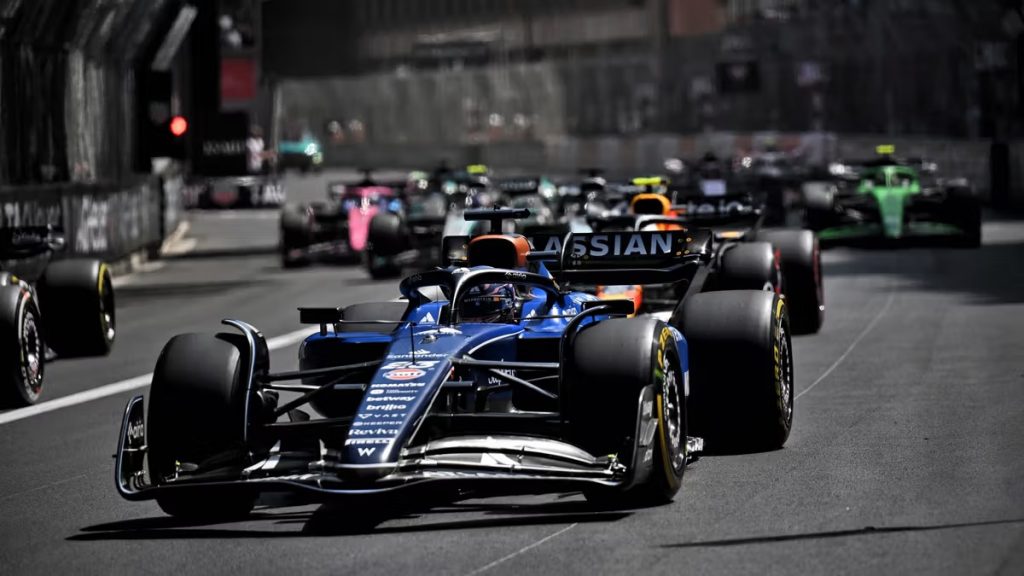
Pleasing F1 fans is almost an oxymoron. While one large group will shout for X, there is an equally rowdy bunch screaming for Y. However, there is no denying that other motorsport series have something that Formula One is missing. The past decade has seen world champions walk the title at times, finishing over 20 seconds ahead of the next car. This is perhaps the most frustrating part, as even in seasons where the driver’s championship is close, it’s rarely settled on track. Here are a few easy changes the FIA could adopt to spice up racing.
- Remove Blue Flags: Having race cars move out of the way in any series that isn’t Le Mans is an insult to racing drivers. Sure, some cars are not good enough to compete, but being forced out of the way so the leader can further escape harm is pointless. Drivers at the back of the field should make it harder for lead cars to get past, thus closing the gap between drivers racing for the win.
- Re-introduce Refuelling: This will make all the health and safety fans scream with anguish, but pit stops have become redundant. Swapping four wheels in under four seconds is hardly a spectacle. Having the option to underfuel a car or top up right before the end adds unpredictability that we are currently missing.
- Reduce Penalties: Formula One has become so tedious that the stewards now watch cars fly through corners in slow motion to see if one pixel is past a white line. While nobody likes drivers cutting corners or gaining an advantage on track, this level of scrutiny is ridiculous and should not be encouraged.
- Reduce Engine Penalties: Engine reliability has robbed us of drama for far too long. The emphasis is on the manufacturers to make a reliable engine or face the wrath of the FIA. The pursuit in motor racing should be speed and safety. Let’s get petrol power to a new level before it’s permanently outlawed to save the planet.
- Higher Threshold for Tracks: Formula 1 can often only be as entertaining as the track where the race is held. In recent years, boring circuits have been added to the calendar because only a handful of nations can afford to host such a prestigious event. However, the tracks F1 drivers battle on are often too narrow for wheel-to-wheel racing or are just not fit for purpose.
- Streamline the Calendar: There are several long-winded breaks during an F1 season. Each gap in the calendar reduces the excitement and removes any momentum. Two weeks between races should be the longest break from racing, as seasons often drag on too long.
We could list more minor changes the FIA should consider, but instead, they will work on making tyres more predictable, engines less powerful, and cars more economical. The heart and soul of being the fastest is becoming a distant memory as championship rivals continue to miss each other on track. Fans tune in each week to watch the best drivers face each other, not duck into the pit lane to undercut without having to pull a single manoeuvre.
Is this the End of F1?
Absolutely not. Formula One has exploded in popularity in recent years, partially because of the incredible Drive to Survive series. Fans have never been more passionate about the sport, and we love to see it. Ideally, this passion would have developed naturally with more intense on-track battles. However, while there are more fans than ever, they have even less reason to shout and cheer. We want to see the FIA give back to the fans by making races more accessible, less expensive to attend, and more entertaining; we are not exactly asking for the world.
However, while we can all appreciate the steps to net neutrality and improved safety, there is more to F1 than targets and figures. Whether it’s a victory by 20 seconds or two championship rivals never meeting on track, something must change. If we keep taking these precise steps forward, we will lose the magic that put the sport on the map in the first place.