
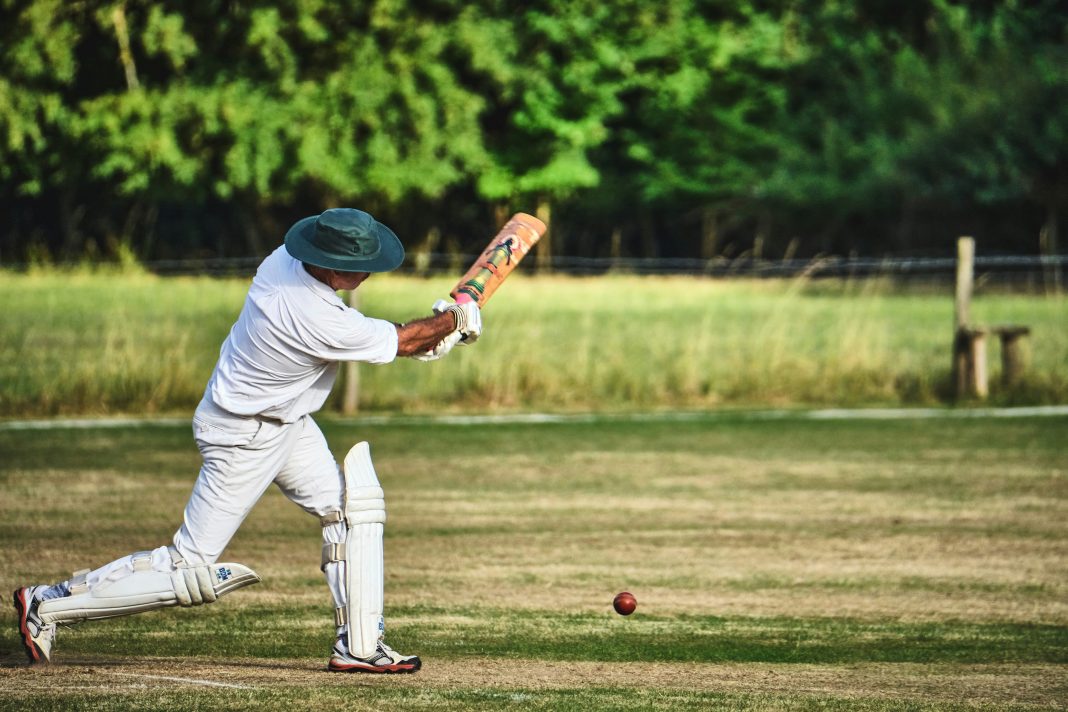

The length of a cricket match depends on the format. A T20 match usually lasts around three hours, an ODI takes roughly seven to eight hours, while a Test match can last up to five days. The Hundred typically takes around two and a half to three hours. Weather, breaks, reviews and the speed of play can all affect the final duration.
Cricket is a sport unlike any other when it comes to time. Matches can range from just a few hours to an entire working week. Each format offers a completely different experience, both for players and spectators. From the fast-paced excitement of Twenty20 and The Hundred to the strategic endurance of Test cricket, the duration of a game can dramatically change the rhythm and tactics on display. This can make cricket predictions even more challenging, which is why we have experts on hand to help.
Understanding how long each format lasts helps fans plan their bets and appreciate the unique challenges each version presents. In this guide, we break down how long the main types of cricket matches typically last. From the single-day drama of ODIs (One Day Internationals) to the marathon contests of First-Class and Test matches. Whether you’re a casual viewer or a seasoned follower, here’s everything you need to know about how long a cricket game really takes.
How long is an ODI Cricket Match?
One Day International cricket is one of the most-watched forms of the sport. The ICC Cricket World Cup was played in this format. ODIs are played between two international teams, with both teams facing a fixed number of 50 overs, totalling 100 overs in the match. Most games will last around seven to eight hours, with a 30-40 minute break between innings.
Because of the set-over structure, ODIs fit neatly into a single day of play, often starting in the late morning and finishing by early evening. Each inning takes roughly three to three and a half hours, though the total length can vary depending on over-rates, player reviews, injuries, and weather interruptions. Matches under floodlights, known as day–night ODIs, usually begin in the afternoon and continue into the evening.
How long is a T20 Cricket Match?
Twenty-Twenty cricket games are much shorter than most other formats of the game. The game is handily named after the number of overs in each innings, with just 20 per team. Breaks are also much shorter in T20, with just 10 minutes between innings. Altogether, a T20 match lasts around three to three and a half hours, with each inning lasting around 90 minutes. The speed of the game has led to a huge increase in popularity, with a T20 World Cup now taking place biannually. India are the favourites for the 2026 edition for anyone betting on cricket.
However, several things could delay a game. The usual suspects, such as weather interruptions and injuries, can cause games to last longer. More interestingly, new rules like the ICC’s stop-clock trial are being tested, aiming to speed up play. Under this system, the bowling team may be required to begin the next over within 60 seconds of completing the previous one. If they fail to comply (after warnings), a five-run penalty could be imposed. That means high-stakes T20 fixtures will be fast-paced, and teams will also be under time pressure between overs.
How long is a Test Cricket Match?
Test cricket is the longest form of the sport and is the format we see in competitions like the Ashes and ICC World Test Championship. It is seen as the most prestigious and traditional version of the sport. Test cricket matches last for up to five days, with up to four innings (two per team). A minimum of 90 overs is played in a day, usually lasting around six hours. Sessions can extend depending on play and interruptions.
Several factors can influence the actual duration of a Test. Weather interruptions like rain or bad light can reduce playing time, while slow over rates can extend the game. Additionally, the strategic nature of Test cricket, with declarations, batting time management, and tactical bowling changes, means that even though the schedule is fixed, the flow of play is highly variable. Some matches finish in three or four days if one side dominates, while others can go the full five days with tense, drawn-out battles.
How long is a First-Class Cricket Match?
First-Class cricket is essentially Test Cricket at club level instead of international. However, there are some nuances with the length. Like Tests, it is played over multiple days and involves two innings per team. Most First-Class matches last three to four days, depending on the competition and the rules set by the governing body. Each day usually features a minimum of 90 overs, with sessions lasting around six hours, similar to Test cricket.
How long is a 100-Ball (The Hundred) Cricket Match?
The Hundred is a modern form of cricket, first played professionally in 2021. Designed to make the sport more accessible and exciting, it features 100 balls per innings, meaning each team faces a maximum of 100 legal deliveries, instead of overs. Bowlers deliver either five or ten consecutive balls, adding a unique tactical element to the format.
A typical Hundred match lasts around two and a half to three hours, making it the shortest professional cricket format. Each innings generally takes about 65 minutes, with a 15-minute interval between them. Like other formats, factors such as injuries, reviews, or weather can slightly extend playtime. The streamlined rules, countdown-style scoring, and lively presentation make The Hundred especially appealing to new audiences, combining quick action with strategic depth.
Why Do Cricket Matches Take So Long?
Cricket matches can take several hours, or even several days, depending on the format. There are several reasons why a game can last longer than expected.
- Overs and innings: Each format has a set number of overs or innings. T20 and ODI matches are limited-overs games, while Test and first-class cricket allow much more time for teams to bat and bowl.
- Innings breaks: Limited-overs matches include a break between innings, giving players time to rest while the teams switch between batting and bowling.
- Drinks intervals: Longer matches include scheduled drinks breaks, while additional stoppages can occur during particularly hot conditions.
- DRS and reviews: Umpire decisions can be reviewed using the Decision Review System (DRS). These reviews can add extra time when officials need to check footage before making a decision.
- Injuries: Play can be stopped when a player suffers an injury, particularly if medical attention is required or equipment needs to be replaced.
- Rain and bad light: Weather is one of the biggest factors affecting cricket match length. Rain can cause lengthy delays, while poor light can force umpires to suspend play altogether.
- Slow over rates: Teams are expected to bowl their overs within a set period. If they fall behind schedule, however, an innings can take longer than expected.
- Wickets and early finishes: A match does not always use its full allocation of overs. If a team loses all its wickets before reaching the scheduled total, its innings ends early. Test matches can also finish before the full five days if a team wins by completing the required runs or taking all of its opponent’s wickets.
Summary
The length of a cricket match depends on the format of the game. There are several ways to play the sport, all with different rules and regulations that affect its length. The game has become more accessible since the advent of formats like T20 and The Hundred, but there will always be room for test and first-class cricket. It is one of the most popular sports in the world, and whether you are playing in a five-day test or 20 overs, there is always bound to be excitement.