
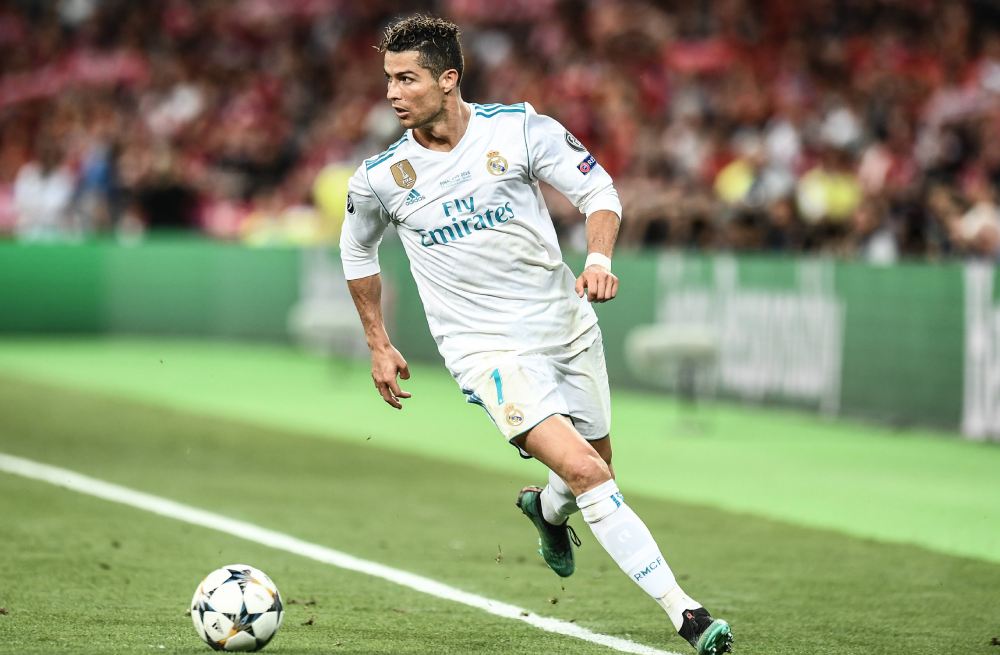

Football has produced some extraordinary goalscorers, but only a select group can be considered among the best strikers of all time. From prolific penalty-box finishers to complete forwards capable of creating chances as well as scoring them, the greatest strikers have defined generations and delivered on the biggest stages.
For this ranking, we have considered goalscoring records, individual awards, trophies, consistency, longevity, influence and performances at club and international level. With legendary forwards from different eras competing for a place, narrowing the list down to 10 is no easy task. So, who makes our list of the best strikers in football history?
10. Alfredo Di Stefano
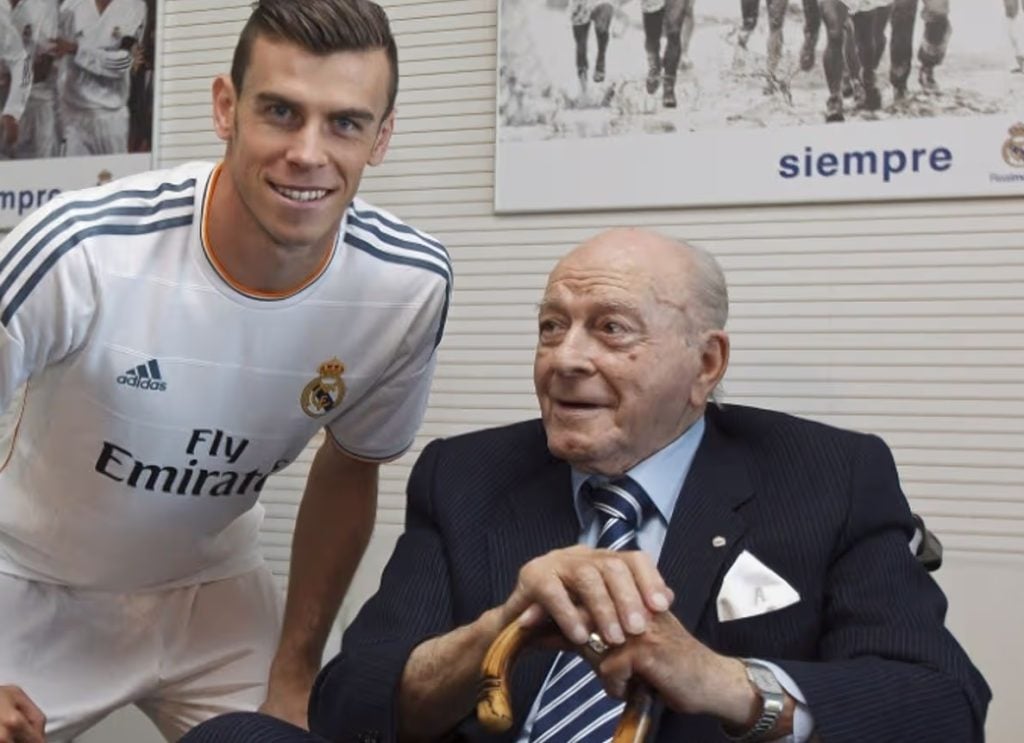
Alfredo Di Stefano is one of the most influential forwards in football history and a central figure in Real Madrid’s emergence as a European powerhouse. The Argentine-born forward represented Argentina, Colombia, and Spain internationally, but it was at Real Madrid where he established himself as one of the greatest players of his generation. He scored 216 goals in 282 La Liga appearances for the club and played a major role in their dominance during the 1950s.
Di Stefano was far more than a traditional centre-forward. He could drop into midfield, carry the ball forward, create opportunities and still arrive in the penalty area to finish attacks. His intelligence and stamina allowed him to influence almost every area of the pitch, making him one of football’s earliest examples of a complete forward.
He won five consecutive European Cups with Real Madrid between 1956 and 1960, scoring in each of the first five finals. Di Stefano also won eight league titles and two Ballon d’Or awards. His combination of goalscoring, creativity, and tactical intelligence makes him an essential inclusion among the best strikers of all time.
9. Romario
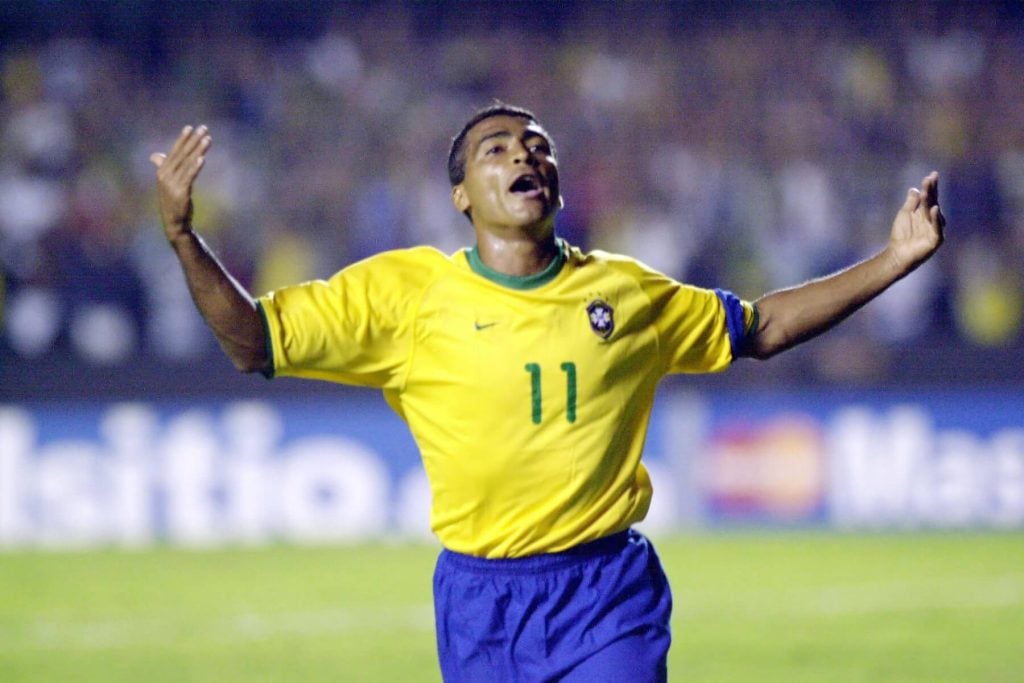
Romario was one of the most naturally gifted finishers of his generation and one of the greatest Brazilian strikers ever produced. The diminutive forward built his reputation with PSV Eindhoven before moving to Barcelona, where he became a key figure under Johan Cruyff. His ability to find space inside the penalty area and finish with minimal backlift made him exceptionally difficult to defend.
Romario possessed outstanding acceleration, close control and composure in front of goal. Rather than relying on physical strength, he used intelligent movement to separate himself from defenders before producing a precise finish. He could score with either foot and was particularly dangerous when receiving the ball around the six-yard box.
His international career further strengthened his legacy. Romario played a major role in Brazil’s 1994 World Cup triumph, scoring five goals and winning the Golden Ball as the tournament’s best player. He also won the 1994 FIFA World Player of the Year award. With more than 700 senior goals across his club and international career, Romario’s finishing ability places him firmly among the greatest strikers in football history.
8. Gerd Muller
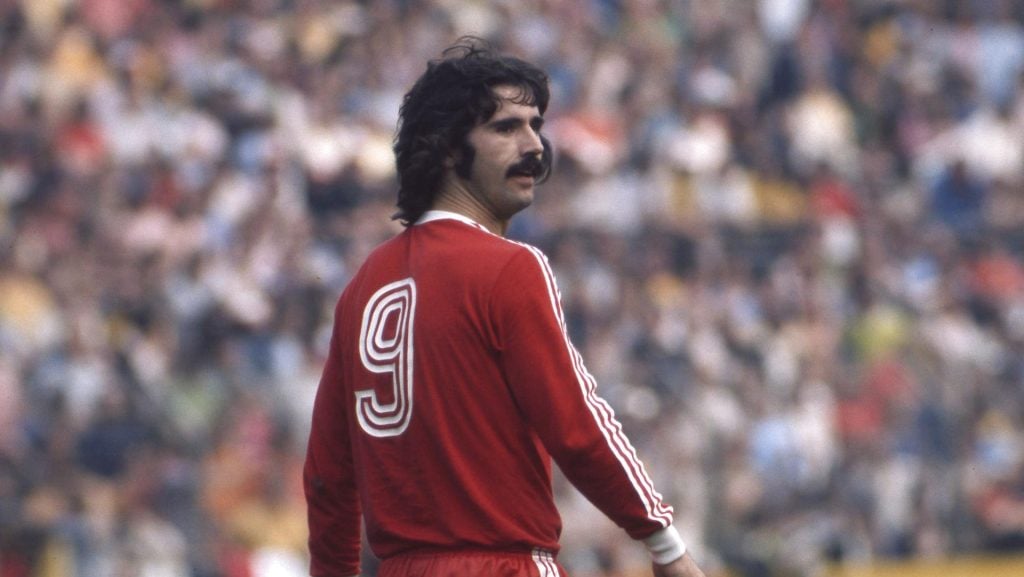
Gerd Muller was one of the most prolific goalscorers football has ever seen. Nicknamed “Der Bomber”, the German striker became synonymous with ruthless finishing during a remarkable career with Bayern Munich and West Germany. He scored 365 goals in 427 Bundesliga appearances and remains one of the most celebrated goalscorers in German football history.
Muller was not the biggest or fastest forward, but his movement and positioning were exceptional. He had an extraordinary ability to anticipate where the ball would arrive and create enough space for a finish. Whether the opportunity came from a cross, rebound or through ball, Muller seemed to require only a fraction of a second to turn a chance into a goal.
His achievements at international level were equally impressive. Muller scored 68 goals in 62 appearances for West Germany and played a decisive role in their 1974 World Cup victory, scoring the winning goal in the final against the Netherlands. He also won three European Cups with Bayern and the 1970 Ballon d’Or. His combination of efficiency, consistency and big-game goals makes Muller one of the greatest pure strikers ever.
7. Thierry Henry
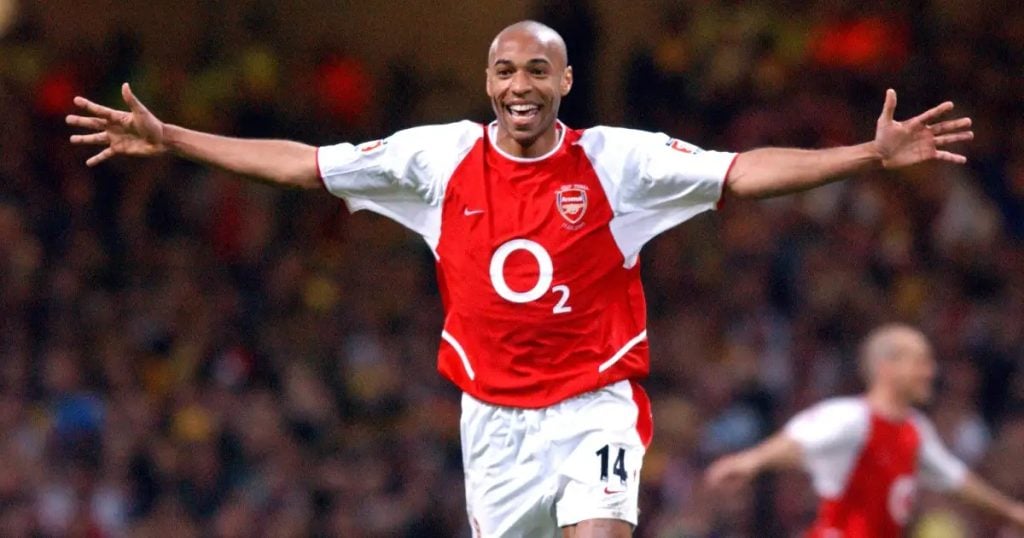
Thierry Henry combined speed, technique and intelligence to become one of the most devastating forwards of the modern era. The Frenchman spent his peak years at Arsenal, where he developed into one of the Premier League’s greatest-ever goalscorers. Henry scored 175 Premier League goals and won four Golden Boots during his time in England.
His greatest quality was his ability to do almost everything expected of a modern striker. Henry could lead the line, drift into wide areas, create chances for teammates and finish attacks himself. His acceleration made him particularly dangerous when attacking space, while his trademark curling finish from the left side of the penalty area became one of the most recognisable sights in the Premier League.
Henry won two Premier League titles with Arsenal, including the famous unbeaten 2003/04 campaign, and also lifted the World Cup and European Championship with France. He scored 228 goals in all competitions for the Gunners and tops the list of the best Arsenal players of all time. His combination of individual brilliance, creativity and goalscoring consistency makes him one of the best strikers of all time.
6. Cristiano Ronaldo
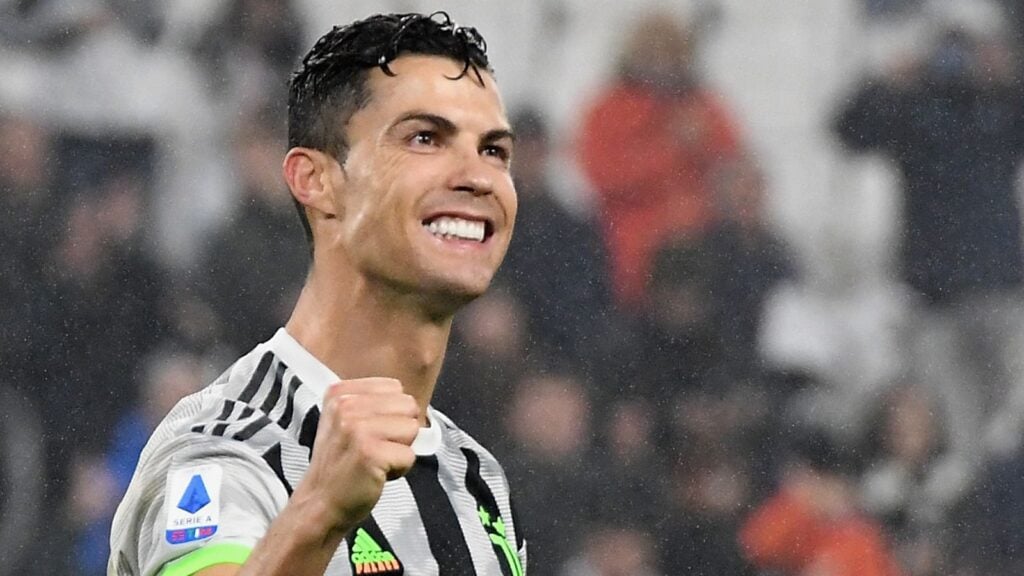
Cristiano Ronaldo’s transformation from a talented winger into one of the most prolific goalscorers in football history is remarkable. After developing at Sporting CP and Manchester United, Ronaldo became an extraordinary goalscorer at Real Madrid before continuing his career with Juventus and returning to Manchester United. He currently still plays for Saudi side Al Nassr.
His athleticism was central to his success. Ronaldo combined explosive acceleration with outstanding aerial ability, powerful shooting and exceptional movement. As his career progressed, he became increasingly focused on operating in and around the penalty area. His ability to adapt allowed him to remain a prolific scorer even after losing some of the pace that defined his early career.
Ronaldo’s numbers are extraordinary. He is the Champions League all-time leading goalscorer and won the competition five times. He also won five Ballon d’Or awards, seven league titles across England, Spain and Italy, and the European Championship with Portugal. His longevity, goalscoring record and ability to perform at the highest level make Ronaldo one of the greatest forwards football has ever produced.
5. Ronaldo
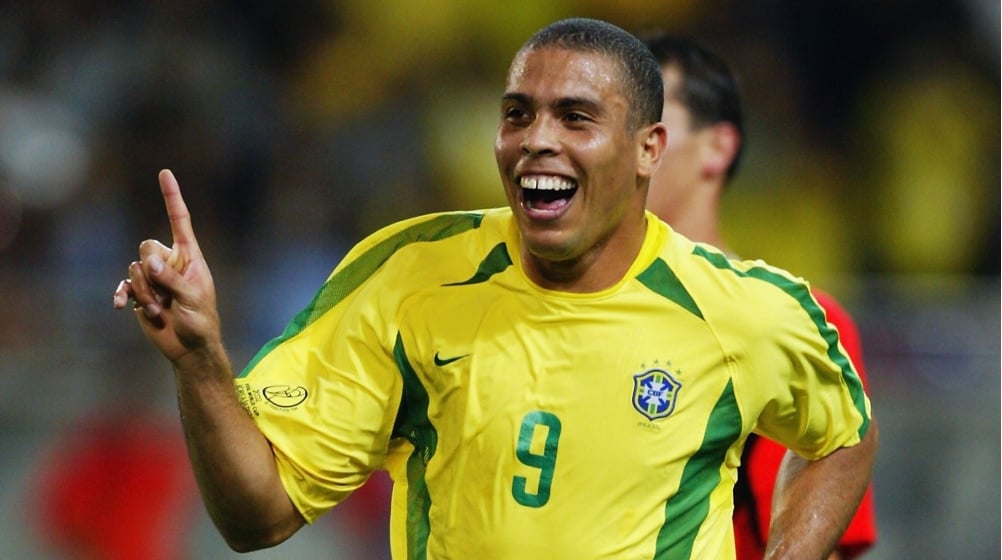
Ronaldo Nazario was one of the most naturally gifted strikers football has ever seen. The Brazilian forward combined explosive acceleration, extraordinary close control and clinical finishing in a way that made him almost impossible to defend at his peak. His career included spells with PSV Eindhoven, Barcelona, Inter Milan, Real Madrid and AC Milan.
The nickname “The Phenomenon” was fitting. Ronaldo could receive the ball in midfield, accelerate past several defenders and finish before opponents had time to react. His ability to change direction at speed was particularly devastating, while his finishing with either foot made him unpredictable in front of goal. Injuries interrupted his career, but they could not erase the impact he made at the highest level.
Ronaldo’s international record is especially impressive. He scored 15 World Cup goals across three tournaments and helped Brazil win the competition in 2002, scoring both goals in the final against Germany. He won two Ballon d’Or awards and was named FIFA World Player of the Year three times. At his peak, Ronaldo represented one of the most complete combinations of speed, skill and finishing ever seen in a striker.
4. Ferenc Puskas
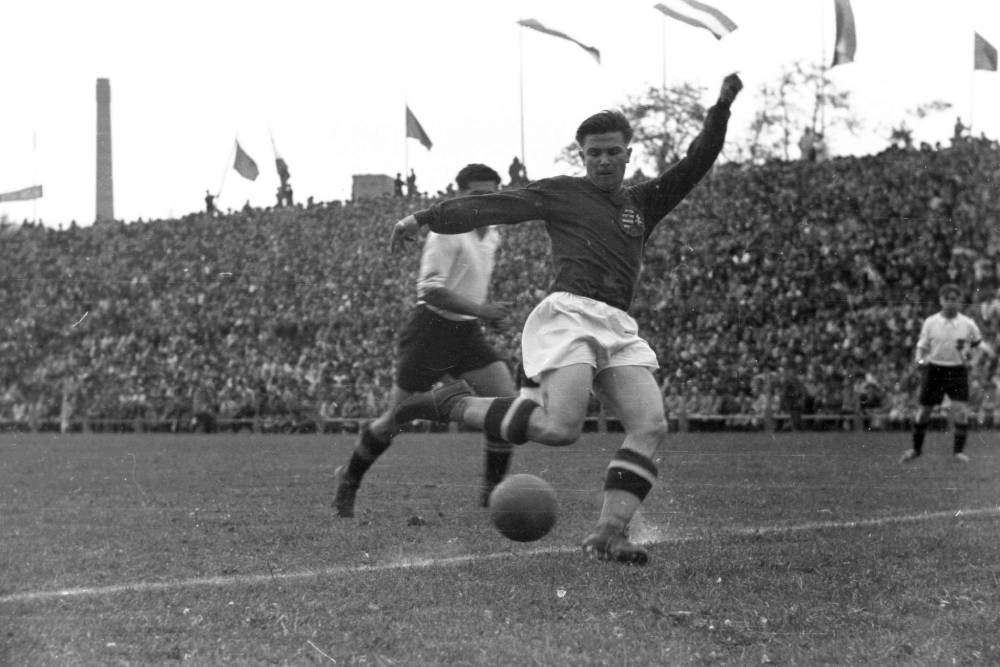
Ferenc Puskas is one of the greatest goalscorers in football history and the standout striker of Hungary’s legendary Golden Team. He became a global star with Budapest Honved before moving to Real Madrid, where he continued scoring at an extraordinary rate despite arriving in Spain in his early 30s.
Puskas was renowned for his powerful left foot, intelligent movement and exceptional finishing. He could strike from distance, create space inside the box or combine with teammates before finding the net. His partnership with Alfredo Di Stefano helped Real Madrid dominate European football during the late 1950s and early 1960s.
His achievements are remarkable. Puskas won five Spanish league titles and three European Cups with Real Madrid, while scoring 242 goals in 262 appearances for the club. Before that, he scored 84 goals in 85 appearances for Hungary and helped them reach the 1954 World Cup final. He finished his career with hundreds of goals and remains so closely associated with spectacular finishing that FIFA named its annual best goal award after him. Puskas’ extraordinary goalscoring record and influence make him one of the greatest strikers of all time.
3. Eusébio
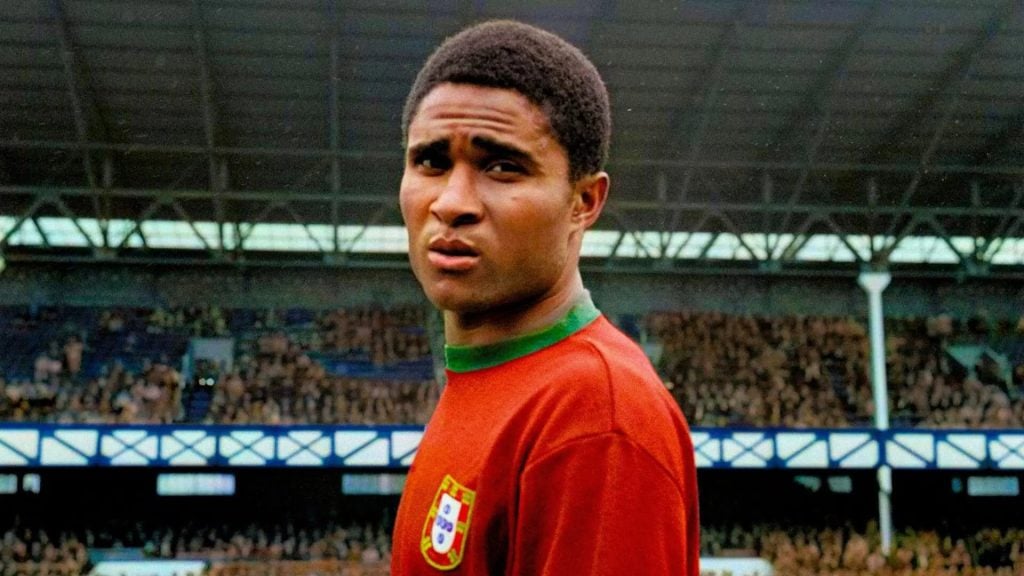
Eusébio was one of the defining forwards of the 1960s and one of the greatest strikers in Portuguese football history. The Mozambique-born forward became a Benfica legend, scoring at an extraordinary rate and helping the club establish itself among Europe’s elite. His explosive pace, powerful shooting and ability to attack space made him one of the most feared forwards of his generation.
Eusébio became a European superstar during Benfica’s run to the 1962 European Cup title. He scored twice in the final against Real Madrid as Benfica won 5-3. He also finished as the competition’s leading scorer on multiple occasions and was renowned for producing his best performances on the biggest stages.
His international career was equally impressive. Eusébio scored nine goals at the 1966 World Cup, winning the Golden Boot and inspiring Portugal to a third-place finish. He scored 41 goals in 64 appearances for his country.
Eusébio won the 1965 Ballon d’Or and finished runner-up in 1962 and 1966. He scored 473 goals in 440 competitive matches for Benfica, while his overall club career produced more than 600 goals. His combination of speed, technique, power and finishing made him one of football’s most complete attacking players.
2. Marco van Basten
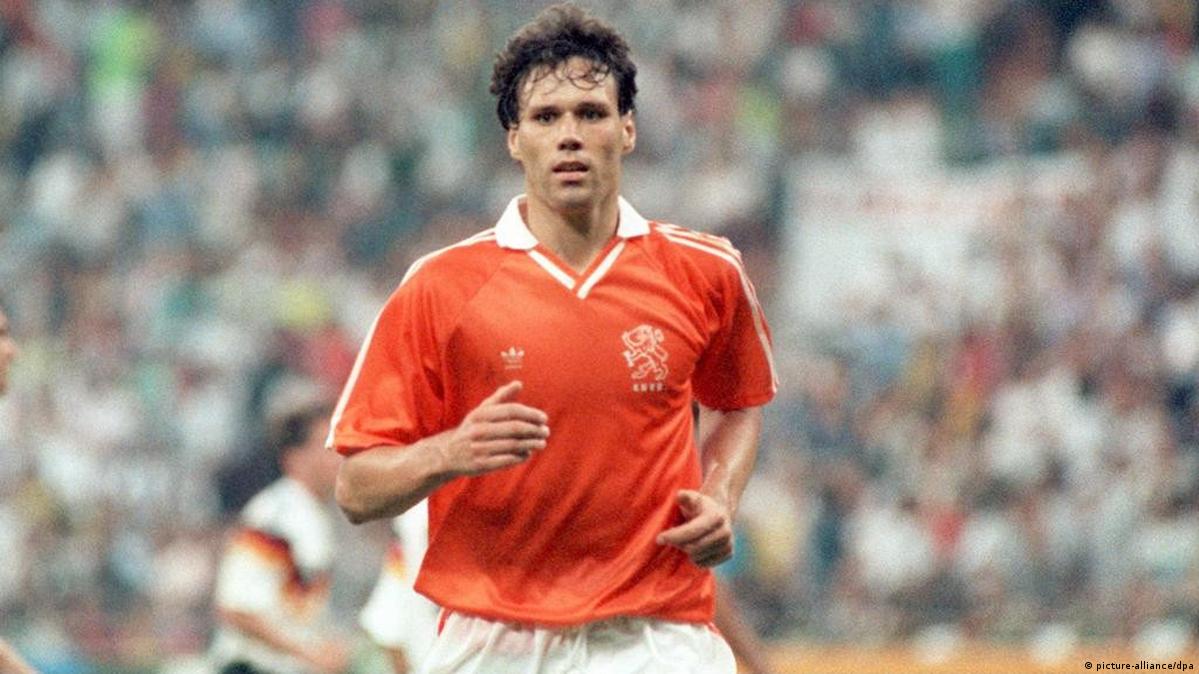
Marco van Basten had one of the shortest careers on this list, but his peak was so extraordinary that he remains firmly among the greatest strikers in football history. The Dutch forward began his professional career with Ajax before moving to AC Milan, where he became the focal point of one of Europe’s greatest teams.
Van Basten possessed an exceptional combination of technique, intelligence and finishing. He could score with either foot, dominate in the air and produce spectacular strikes from difficult positions. His movement allowed him to find space between defenders, while his technical ability made even difficult finishes look effortless.
His international career reached its peak at Euro 1988. Van Basten scored five goals during the tournament, including one of the most famous volleys in international football history in the final against the Soviet Union. The goal helped secure the Netherlands’ first major international trophy.
At club level, Van Basten won three European Cups and three Ballon d’Or awards. He also won four Serie A titles with Milan. Persistent ankle problems ultimately cut his career short, with his final professional appearance coming at just 28. Despite that premature ending, his extraordinary peak, individual honours and goalscoring ability place him among the greatest strikers ever.
1. Pele
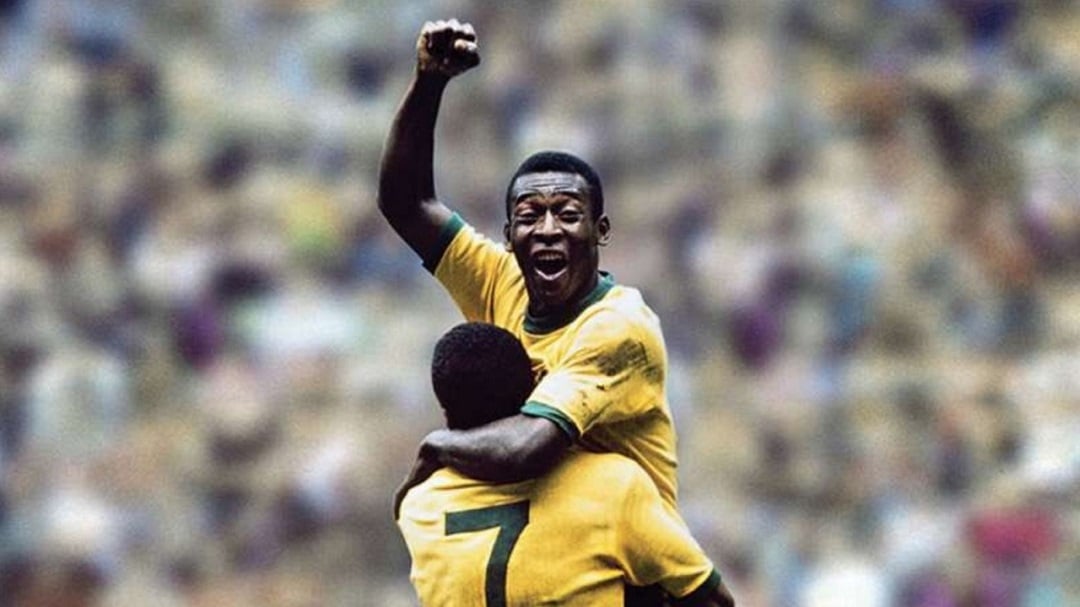
Pele is widely regarded as one of the most influential footballers in history and occupies the top spot on our list of the best strikers of all time. The Brazilian forward became a global superstar with Santos, winning multiple domestic and international honours before spending the final stage of his career with the New York Cosmos.
Pele’s goalscoring record was extraordinary. He scored more than 600 competitive goals for Santos and finished his club career with an enormous overall tally. His greatest achievements, however, came with Brazil. Pele remains the only player to have won three FIFA World Cups, lifting the trophy in 1958, 1962 and 1970.
His 1958 World Cup campaign was particularly remarkable. At just 17 years old, Pele scored six goals, including a hat-trick in the semi-final against France and two goals in the final against Sweden. He became the youngest player to score in a World Cup final and immediately established himself as a global football icon.
Pele’s game combined finishing, dribbling, passing, movement and athleticism. He could score from close range, strike from distance or create opportunities for teammates. His technical ability allowed him to operate both as a traditional striker and a creative forward.
With three World Cups, numerous domestic titles and an extraordinary goalscoring record, Pele’s influence extended far beyond his statistics. He helped turn football into a truly global sport and remains one of the most recognisable figures in its history. His combination of individual brilliance, international success and sustained goalscoring makes him our choice for the greatest striker of all time.